Sometimes things go wrong when travelling. I’m not just talking about misjudging the slightly dodgy lunch stop a Kyrgyz marshrutka dumped you at, forcing you into a state of simultaneous regret and literal buttock-clenching as you aim to prevent soiling an already soiled seat even further, having eaten a questionable, mystery meat somsa.
No, in this article, I’m talking about when things go seriously wrong – the sorts of situations which can force drastic changes of plan and genuine fears for personal safety. This is something which I’ve now been unfortunate enough to experience twice and, in a break from the usual tales of clichéd beauty and wonder on this website, I think it’s about time I reveal something of the uglier side of backpacking. Either that or I’ll maybe just end up ranting about the latest scenario that I’ve been caught up in. We’ll see.
“It’s scary, bewildering and a total pain in the arse”
Before I start, throughout all of my time travelling in foreign lands, I’ve consistently appreciated the level of privilege that I enjoy while doing so. To be able to (reasonably spontaneously) hop onto a plane to take me thousands of miles across the globe is something which few ever really get to enjoy.
Even when things go wrong, I am among the first who can escape or avoid imminent danger. I am also fortunate to live in the UK, one of the world’s most stable and, for the moment, wealthier countries. The issues I have experienced abroad are most certainly ones I would never face at home.
Even so, it’s scary, bewildering and a total pain in the arse.
Take Bolivia. On the 26th June 2024, a disgruntled general staged a military coup, rolling troops and armoured vehicles into the city centre. Once he had parked on the steps of the Presidential Palace, all of three blocks from where I was staying, the gates were rammed open and a tense exchange with the president ensued.
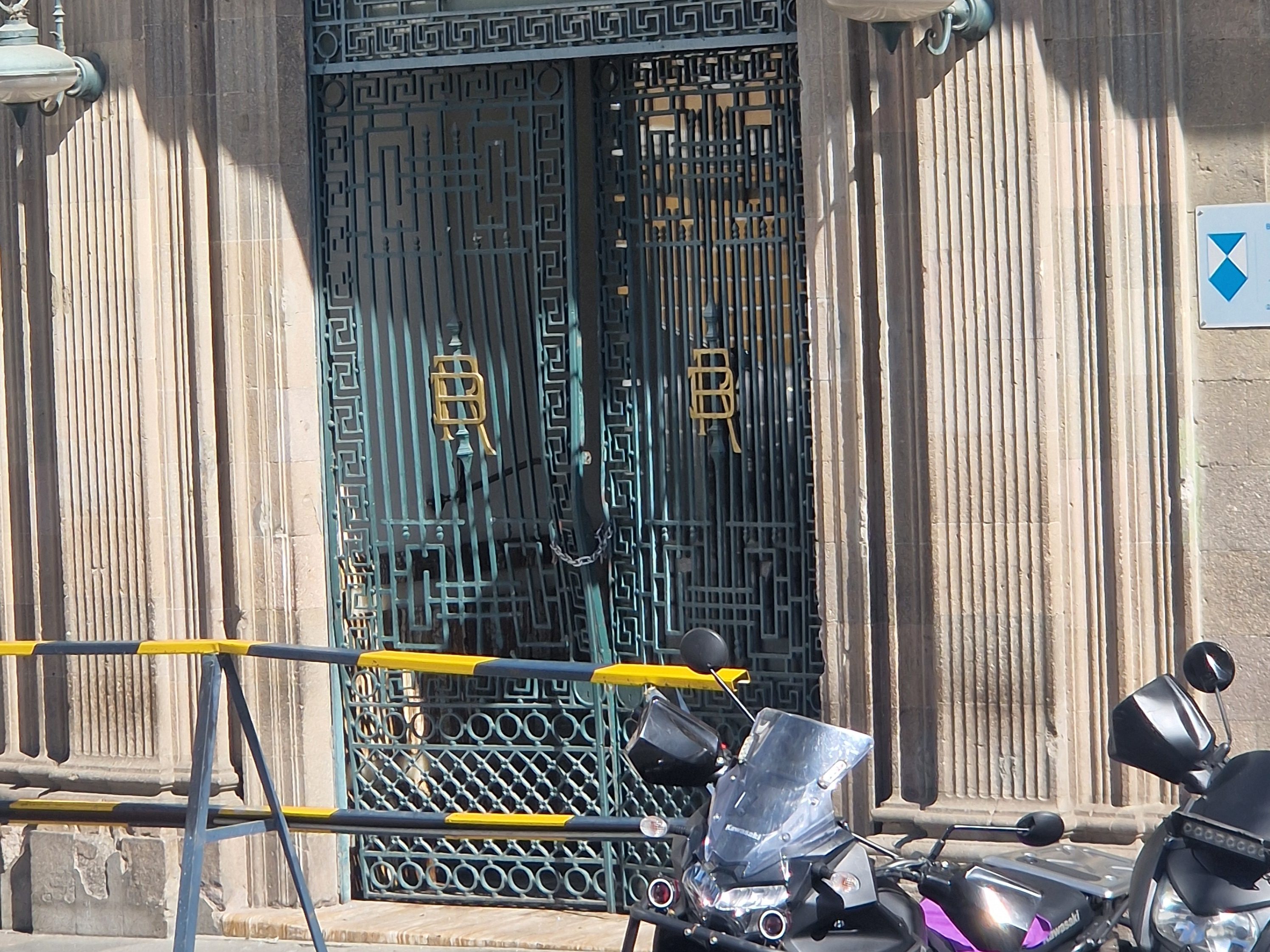
As I was watching events unfold on TV, large doses of adrenaline were pumped through my veins. I had no idea what to do and felt totally helpless at the prospect of heavily armed soldiers patrolling the streets, potentially restricting movement or, even worse, closing the borders and trapping me inside the country altogether.
In this particular case, I was fortunate that the coup failed, with the general soon arrested by his own troops and the president, Luis Arce, remaining in power. Two days later, as I wandered around the Plaza Murillo, where the whole thing took place, soldiers could be seen eating ice lollies. Soon there were even rumours that the coup was staged to try and boost Arce’s popularity ratings.
Though I did end up booking a bus to sprint back across the border to Peru as things were going on, I remained in the country on that occasion. It was a good decision. Things quickly became normal – so normal, in fact, that I was pickpocketed the following day.
Nepal was a slightly different story. In the last few weeks, a ban on social media caused protests, leading to a riot and then arguably a revolution.
The Parliament, Supreme Court, President’s and Prime Minister’s houses and various posh hotels were burnt down in rioting directed against allegedly corrupt officials and a general perception that Nepal was an increasingly unequal society. As this is being written, not quite one week on from all this happening, the military has only just lifted a curfew over the country, having taken control as the only institution with any credibility with the people.
I was lucky: I wasn’t in Nepal at the time. Instead, my flight was scheduled to land in Kathmandu less than a week after the burning of the Parliament building. I didn’t have to endure the effective imprisonment of the curfew or for that matter the corruption or poverty which caused the protestors to burn it down. Equally, I was able to change my flights to another destination and will visit Nepal at a safer and more certain time. If that isn’t privilege then what is?
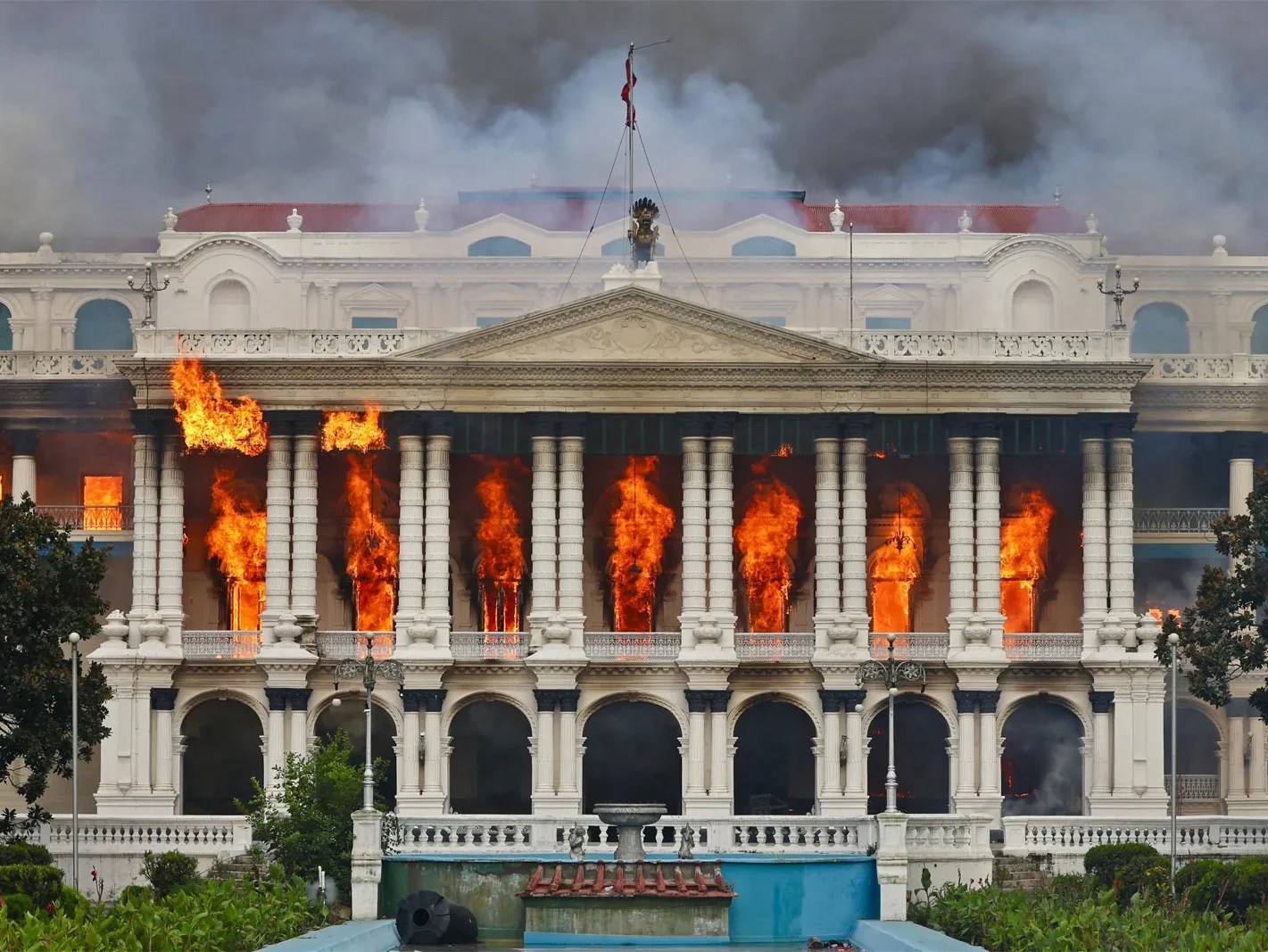
Again, though, watching events unfold from a distance while trying to glean what little information there was available from the few live bulletins being run by Indian news outlets, of whom I knew nothing let alone how credible they each were, was stressful in the extreme.
To me, both situations neatly summarise the idea of backpacking as a whole. Both Bolivia and (I’m told) Nepal are incredible countries and well worth visiting, even if you’re not planning on backpacking, have private transfers and stay in posh hotels when they haven’t been reduced to ashes. That said, the risk of backpacking and exposing yourself to risk makes the experience so much richer.
I am not for a second saying that I hope that a military coup, revolution or other stomach-churning event happens anywhere I go. These events were extreme and beyond what I enjoy dealing with. I’m talking about the more banal stuff (like the Kyrgyz lunch stop).
“The gloves are off and all personality façades or superficial courtesies are dropped”
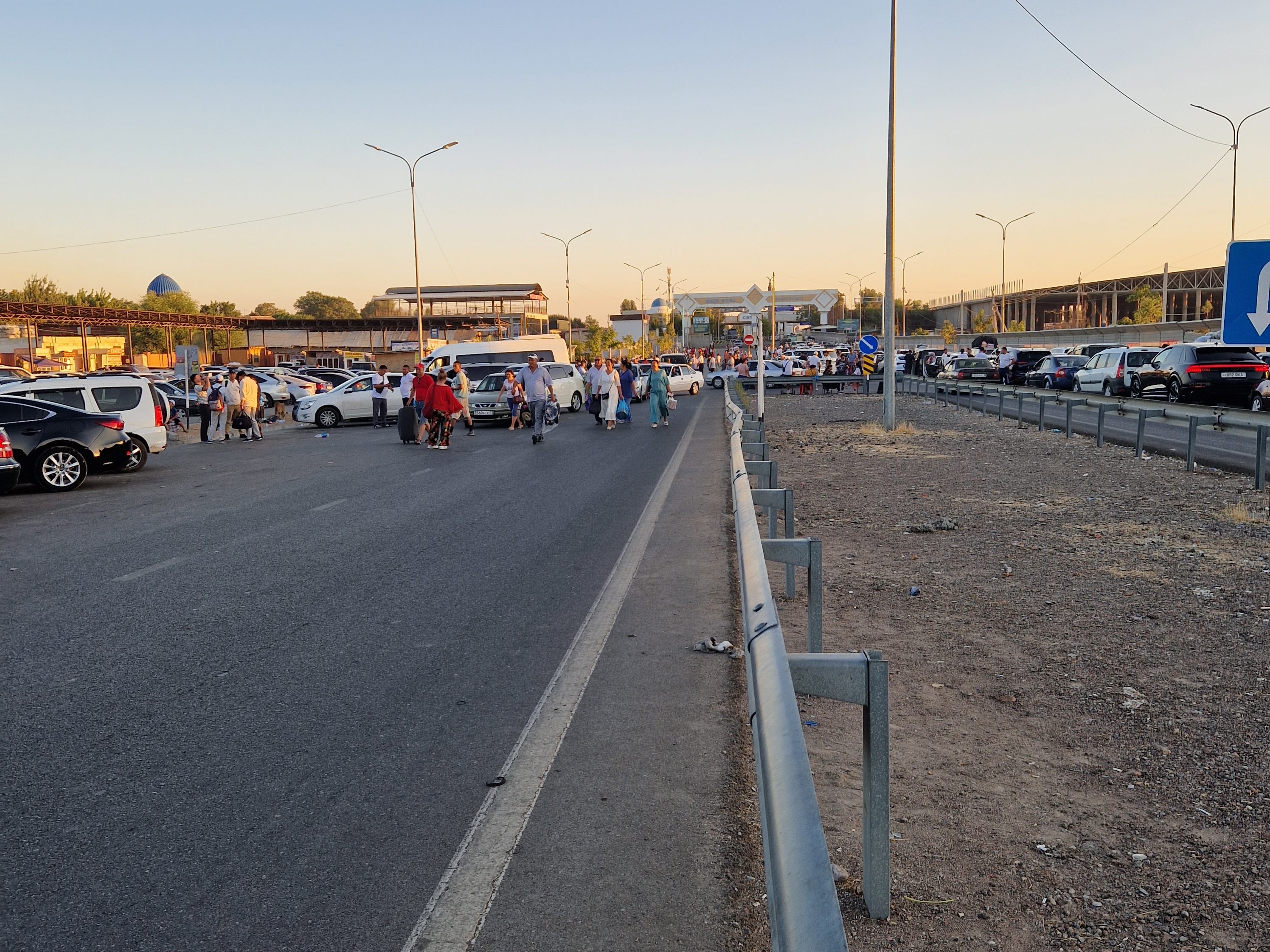
These are things which put you outside your comfort zone and take you to places in a country you never knew existed. Trust me, the long-drop toilets on the Uzbek-Kazakh border aren’t pleasant but they’re an experience of sorts – they give a fuller perspective on a place than you would ever get from the same air-conditioned minivan with the same guide whisking you from the souk to the hotel swimming pool.
And actually, if you really push me on it, yes, Nepal will be much more special when I do eventually get to visit, purely because of what has happened on this occasion. Equally, walking around the site of a failed military coup was something I’ll likely never forget (or, I’d hope, experience again).
I’m also a firm believer that, when situations get tough, you truly find out what sort of a person you actually are as you respond. Inevitably, the gloves are off and all personality façades or superficial courtesies are dropped.
In the West, this is something which we experience all too little (by which I’m referring to discomfort and tough situations rather than military coups and revolutions). Certainly, with my privileged and extremely comfortable life in the UK, often my greatest concern is around how the supermarket closes early on a Sunday and I need to get out of bed to actually do my shop now rather than at 9pm because otherwise I won’t have any food. There will always be food in the supermarket and I certainly don’t have to worry about it being burnt down or being caught up in a violent protest on my ten-minute walk there.
This is why you should backpack. The life of those who can afford to backpack in the UK and wider Western world is nothing short of extremely easy, no matter how much they may moan about it in the pub. The concept of inserting yourself into a country where there are real problems, often those which can spell the difference between life and death, is humbling.
It effectively places a Western-style of living into a wider context. Certainly, it’s shown me, between trips to all the inhabited continents and with varying degrees of difficulty, poverty and comfort, that, though things could certainly be better, they could also be an awful lot worse. I am thankful they aren’t and that I live where I do and with the lifestyle that I lead.
If that sounds self-righteous and as if I consider myself the only enlightened person in a country full of people miserably sipping pints in dingy pubs, moaning to their friends about how they have to go to work tomorrow and how they were only given a two percent pay rise, then maybe it is.
All I would say is try it first and then come and talk to me. Yes, you’ll probably get food poisoning, be scammed and have to endure reckless bus drivers careering around mountain roads, avoiding oblivion by a matter of inches as the impossibly large drop off one side looms. The point is that, once you’ve experienced these things, you’ll head back to whichever country and position of privilege you came from.
The people of Nepal and Bolivia aren’t so lucky in that regard. They have to live through these events where the destiny of their country and therefore themselves and their families is hanging in the balance. Yes, they were scary, stressful and potentially dangerous things to be a part of or narrowly avoid but at least I had the choice.
You do too. Go backpacking.
 Into The Elsewhere