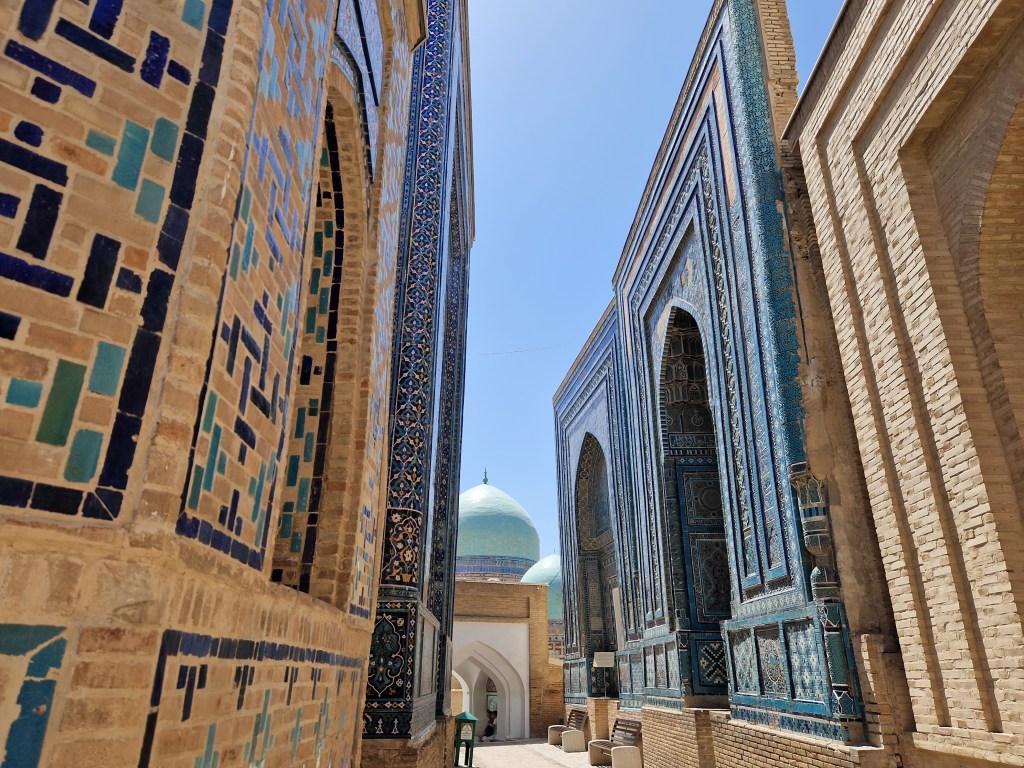
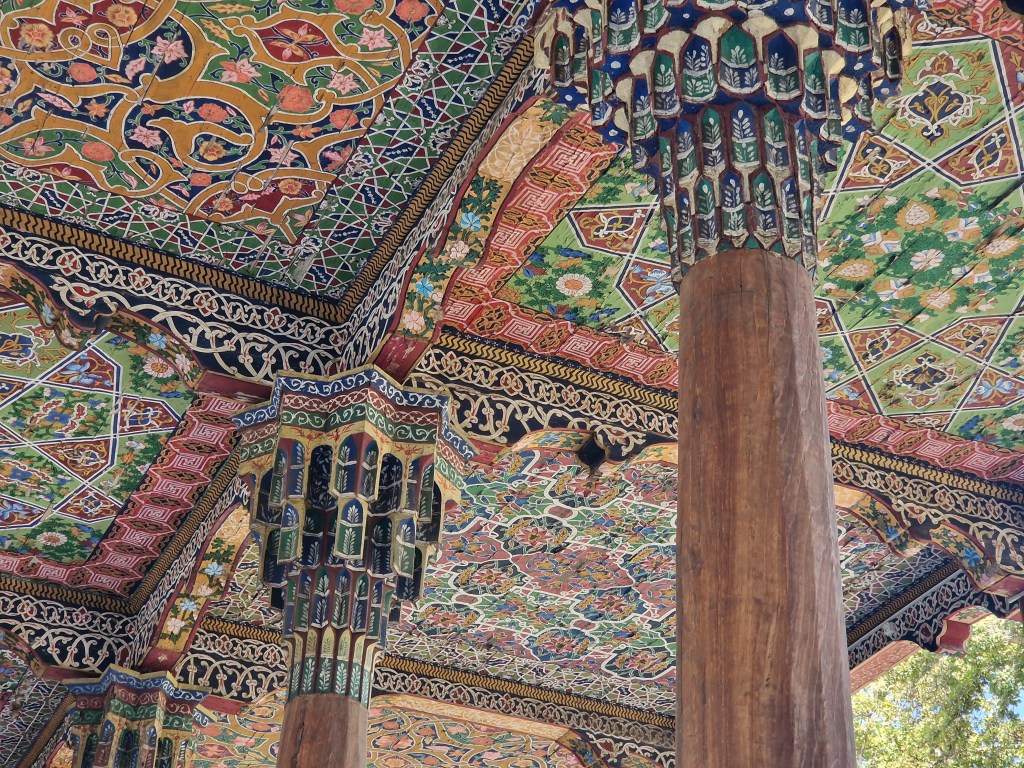
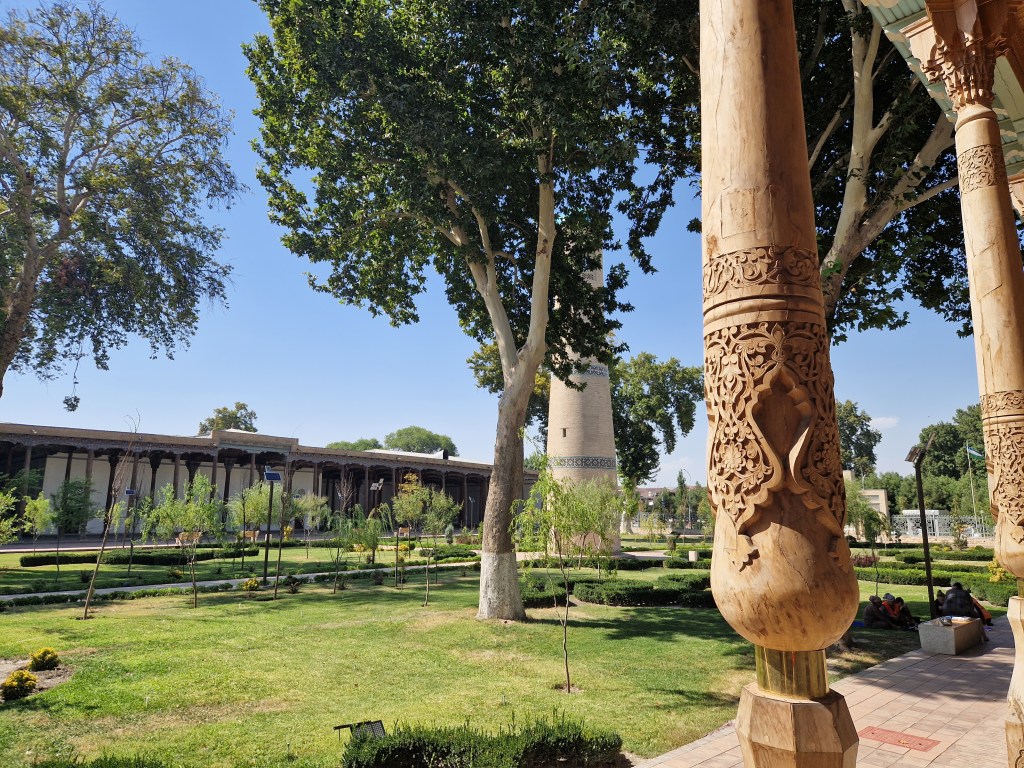
For so long this is a country best known for being flown over by Europeans on their way to the Far East. Little did they know what they were missing out on. Soaring minarets, open and friendly people and more blue majolica tiles than you could shake a stick at. Once a crossroads in the Silk Road network, Uzbekistan is now a destination in its own right.
Please note that these are all my personal recommendations and are not sponsored in any way.

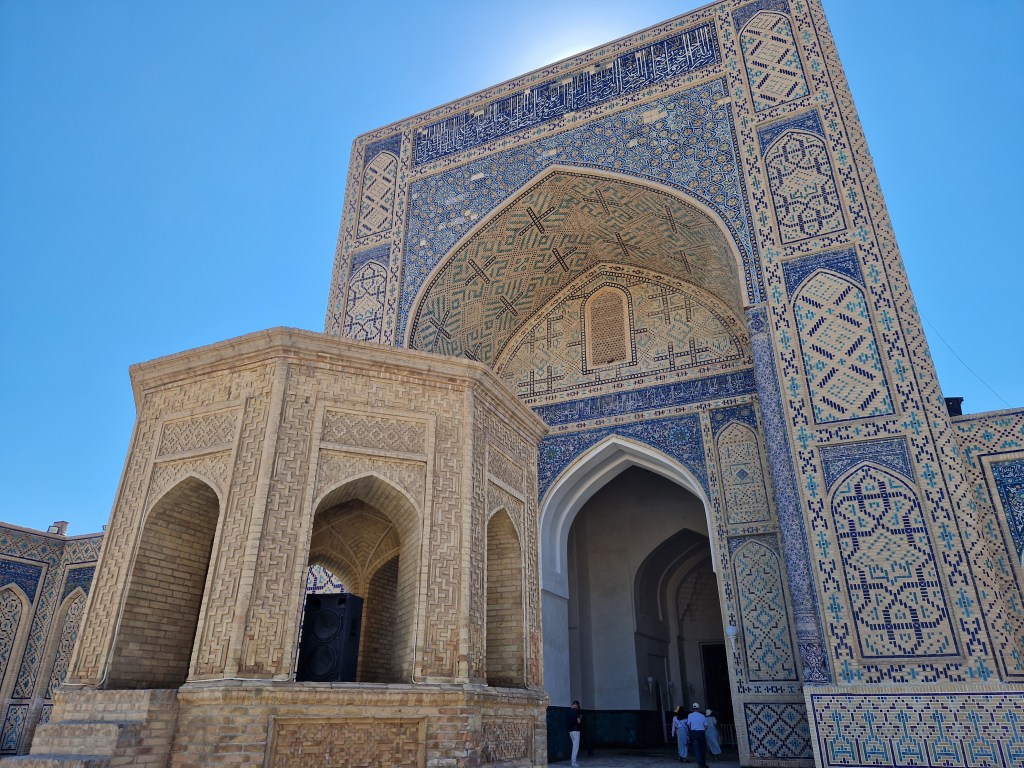
Getting There
The only airport worth talking about is Tashkent International Airport, on the outskirts of the Uzbek capital. From here, Uzbekistan Airways operate flights to the UK (Heathrow and Gatwick) and as far afield as New York JFK. Qanot Sharq are another, smaller operator who now fly direct to the UK.
Another major operator to Uzbekistan is Turkish Airlines (to Tashkent, Samarkand, Urgench, Bukhara and Fergana). All these flights are via Istanbul.
This is a part of the world where many travel overland rather than by air. If this takes your fancy, international trains run between Tashkent and Almaty (Kazakhstan) or Dushanbe (Tajikistan) and are a decent way to get around. Booking in advance is advised. Buses also run but the journey is long and uncomfortable.
The website to book trains to Kazakhstan can be found here. Information for trains to Tajikistan is here, though the link to book online wasn’t working at the time of writing.
At the time of writing, UK nationals can visit Uzbekistan for up to 30 days without a visa. Full entry requirements can be found on the FCDO website. US nationals will need an e-visa, which can be applied for through the government portal. Full advice for US nationals can be found here.
Major Destinations
Major tourist destinations within Uzbekistan include:
- Samarkand – the grandest of the country’s Silk Road cities
- Bukhara – not to be sniffed at or missed as the second Silk Road city
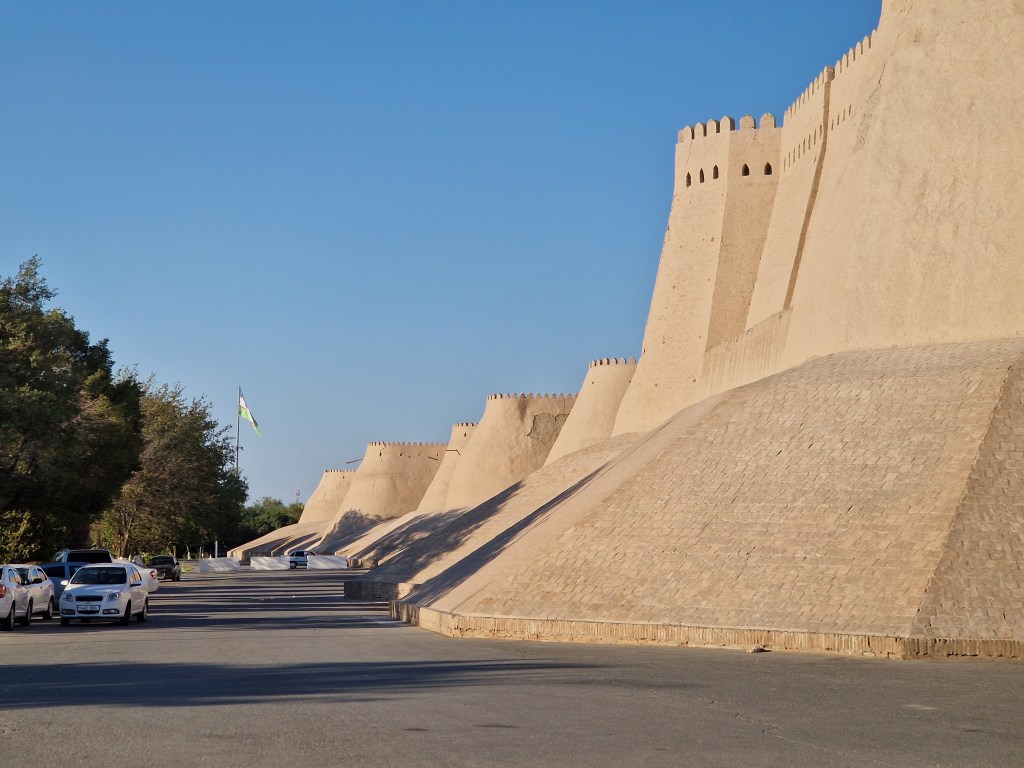
- Khiva – the smallest Silk Road city out in the Kyzyl Kum Desert
- The Fergana Valley – a green heartland, producing fabrics, pottery and more
- Tashkent – the capital and largest city
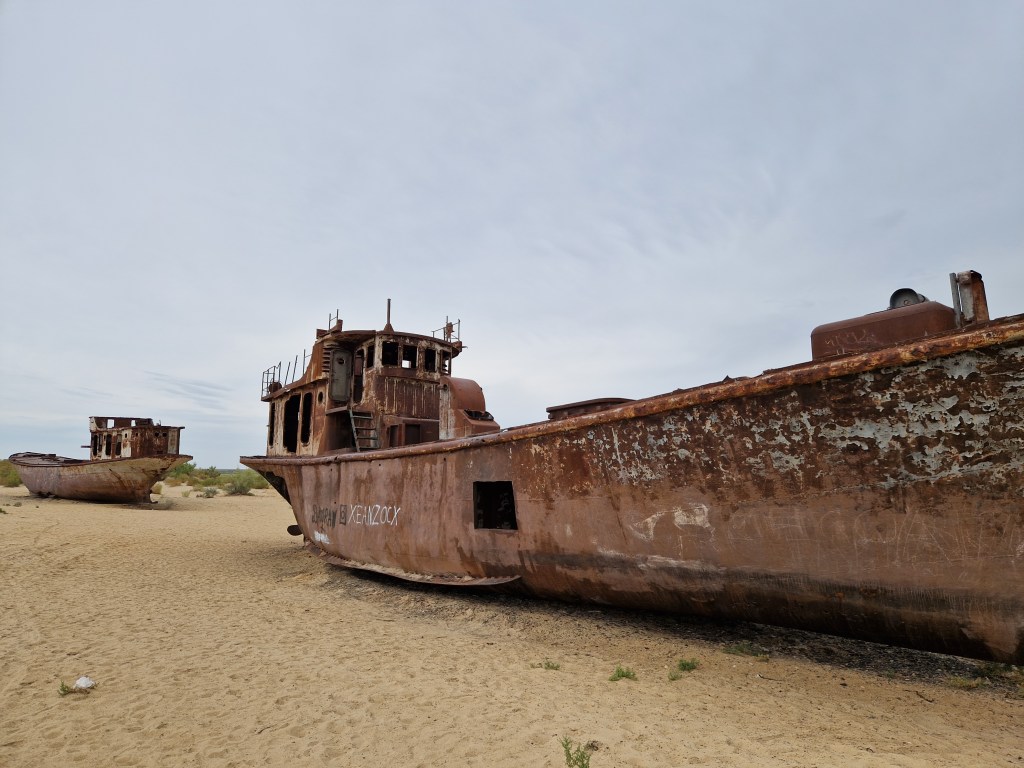
- Moynaq – a town once on the coast of the Aral Sea (not for the faint-hearted)
Getting Around
Uzbekistan has an excellent train network, utilising both overnight sleeper trains and Spanish high-speed trains (yes, really). Some slower day trains also run.
Book trains in Uzbekistan here.
Typically, the Afrosiyob (high-speed) tickets sell out far in advance, with sleeper tickets available closer to departure. Sleeper trains have two classes: platzkart and kupe. Be aware that only kupe has air conditioning (and is more expensive but comfortable as a result)
Informal marshrutkas run between all cities and towns. These minibuses leave when full so if you’re looking to get a long distance one, get there early in the morning. Expect to pay the driver rather than having to buy a ticket. Marshrutkas are generally good for getting round town or doing short hops; for long journeys take the train if possible.
The only ride hailing app in Uzbekistan is Yandex Go. It is generally fairly reliable, though taxis can also be hailed down the old fashioned way without too much hassle – just negotiate the price before setting off.
Tashkent also has a metro system built by the Russians. Tickets are dirt cheap and the stations are tourist attractions in their own right.
You can fly internally in Uzbekistan and, if you’re looking to get from Tashkent to either Khiva or Moynaq, its worth considering (the train journey is pretty long otherwise). Look for flights to Urgench or Nukus respectively.
Accommodation
Hostels are increasing in number across the country, after the government lifted a lot of red tape sometime in 2022, which had previously prevented their establishment. Good options include the Old Radio Hostel in Samarkand or Topchan in Tashkent. Generally, expect to pay less than £10 a night to be in a dorm.
Where hostels haven’t been established, there will be guesthouses or homestays, such as this one in Margilan. These ae generally somewhere between acceptable and extremely comfortable for around £25 a night.
Finally, there are lots of hotels in major cities and towns. These vary in price wildly, with budget options not much more than a guesthouse per night, all the way to £300+ a night at a Western chain hotel.
Money
The currency in Uzbekistan is the som. This isn’t available outside of the region and so you’ll need to pick some up when you arrive. Fortunately, there are ATMs in all major towns and cities, though these will all charge a fee to withdraw. As such, larger withdrawals may be advisable.
Bring US dollars with you is also highly advisable. These can be used for larger transactions and are readily accepted, while also serving as a useful back up.
Finally, don’t expect to be able to use your card anywhere apart from the poshest and most Westernised hotels.
Other Points
If you want more information, Caravanistan is the best website around (apart from Into The Elsewhere of course…) for exploring Central Asia. It has forums on issues and all information is kept up-to-date.
Uzbekistan is a Muslim country, though is reasonably relaxed in most parts of the country around standards of dress. That said, women should still look to cover up to an extent. This is particularly the case in the much less travelled and more conservative Fergana Valley, east of Tashkent.
Uzbek food is criminally underappreciated in the West. Must try dishes include plov (the national dish of mutton with rice), lagman (meat noddle soup), manty (meat dumplings), somsa (meat pastries) and shashlik (meat kebabs). All of these are usually combined with fresh bread and cucumber, onion and tomato salad. Its a vegetarian’s worst nightmare but, if you like meat, it can be exceptionally good. Try this place in Tashkent.
Finally, be aware that it can become unbearably hot in the summer (particularly around July and August). With temperatures in excess of 40oC (104oF), consider going to Uzbekistan sometime either side of the hottest months. If you visit during winter, pack a very warm coat and some snow boots.
 Into The Elsewhere