A country with variation beyond imagination, from the northern jungles to the southern mountains and some of the world’s greatest culinary and cultural experiences in between – Peru is an essential point on any backpacker bucket list. Home to so much more than Machu Picchu, the cities are hotbeds of life while the countryside can be as beautiful as it is rugged.
Please note that these are all my personal recommendations and are not sponsored in any way.

Getting There
The country’s largest airport is in Lima, the capital city. Flights arrive from all over the Americas and beyond. Notable European connections include flights from Amsterdam (with KLM) and Madrid (with Iberia). Currently, the UK does not have a direct connection to Peru, with the options previously stated the best alternatives.
Another option from Europe is to fly via the USA. This is possible yet more difficult as you will require an ESTA (or equivalent visa) and airport transit in the USA requires you to collect your bags and check into your second flight separately. This is much less comfortable than transiting via Europe.
Other regional airports (particularly Cusco) will have some more local but still international connections.
At the time of writing, UK nationals can visit Peru for up to 90 days within a 180 day period. More information can be found on the FCDO website. The same applies for US citizens, with more advice available here.
Major Destinations
Major tourist destinations within Peru include:
- Lima – Peru’s capital, culinary heart and cultural centre
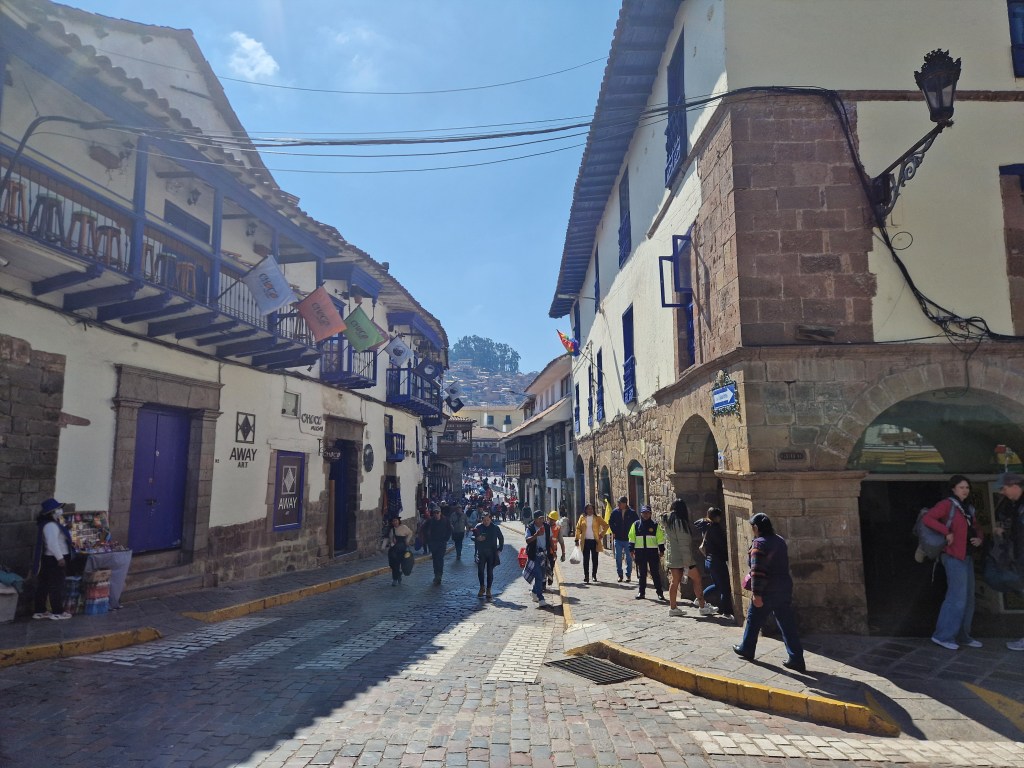
- Cusco – the second city, full of Inca and Spanish history
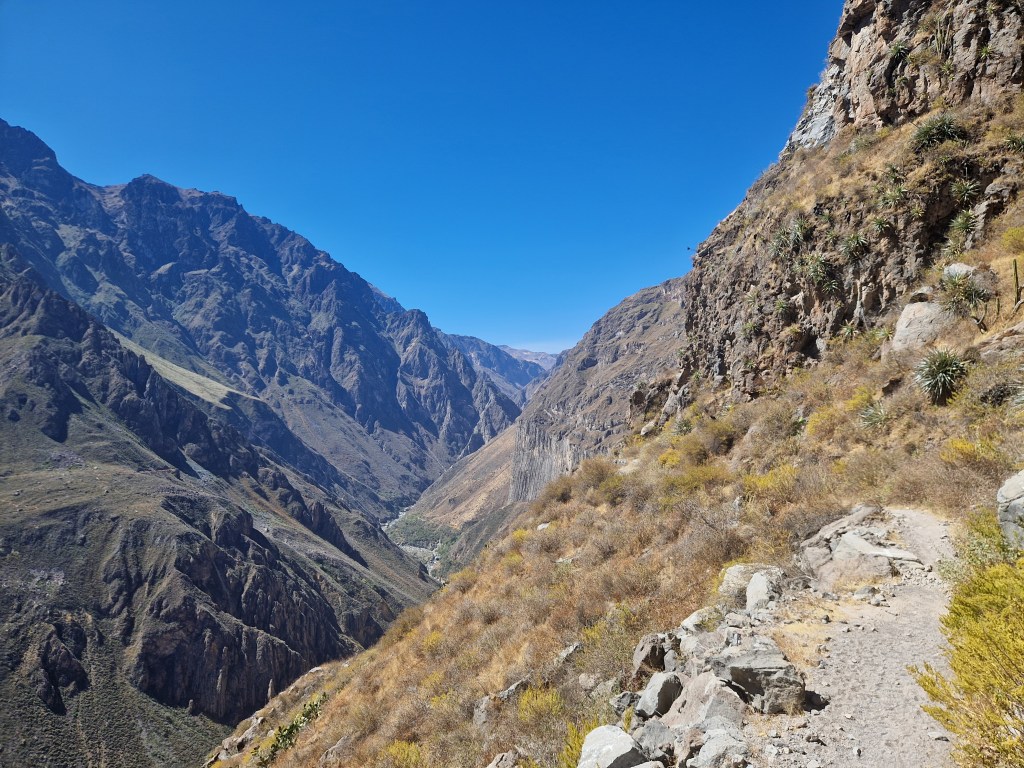
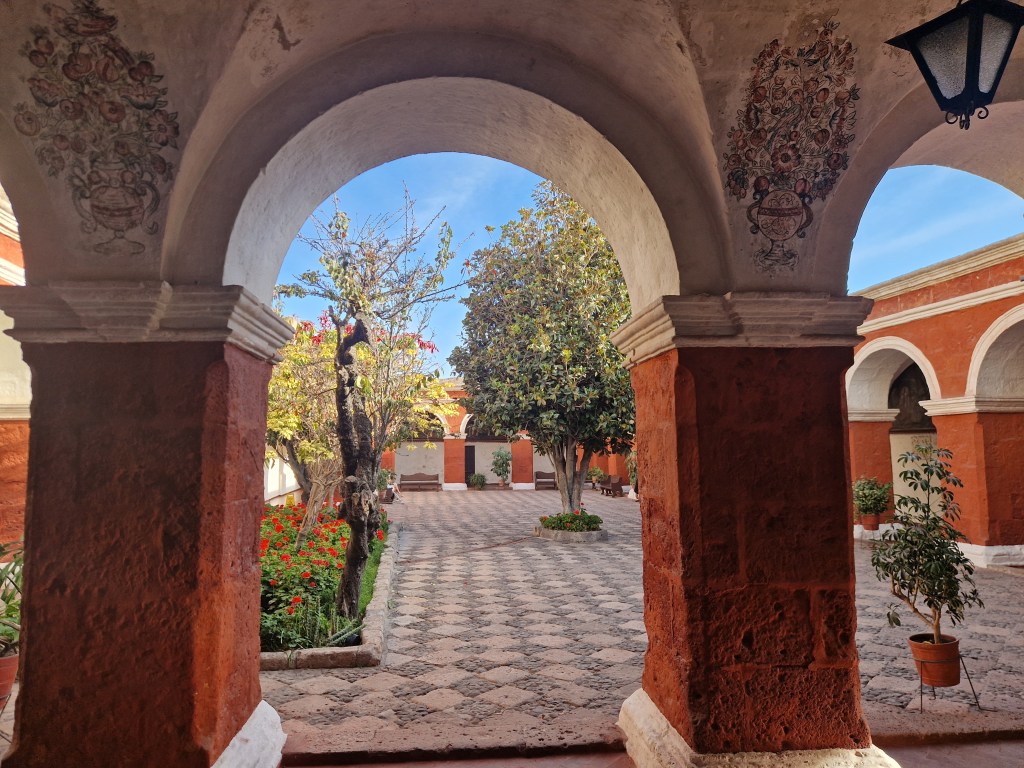
- Arequipa – another colonial marvel and gateway to the Colca Canyon
- Huaraz – the hiking capital of Peru
Getting Around
Apart from the very expensive train which you’ll need to take to and from Machu Picchu (if you’re not walking that is), there are no trains in the country to speak of.
The train companies which serve Aguas Calientes (for Machu Picchu) are Peru Rail and Inca Rail.
Instead, you’ll find yourself using the excellent coaches with cross the country on a daily basis. These are run by private companies, with some offering business-class-style lie-flat beds and privacy curtains. Others are more basic and have a less than brilliant reputation for mid-journey theft.
More reputable companies include Transzela or Cruz del Sur. Peru Hop are another company set up specifically to bus tourists around the country and offer hop-on-hop-off multi-day tickets. They also run in neighbouring Bolivia as Bolivia Hop.
In general, buses can be booked directly on company websites, at bus stations or using redBus Peru. This last option will charge a small commission but is definitely the easiest of the three options.
Within cities, Uber is the biggest ride hailing app in Peru. Cabify also offer ride hailing services in some cities.
You may also want to fly internally around Peru. The country is quite large and, with the Andes running the length of it, some of the roads can be twisty and poorly maintained. A good example where an internal flight may be beneficial is between Lima and Cusco. By plane, this takes an hour; by bus it’s more like 24 hours.
Check out Latam for internal flights in Peru.
Accommodation
There are loads of great hostels across the country. For those looking for a massive party, you’ll never need to look beyond the Irish-owned Wild Rover chain – these are all clean, modern and offer nightly events.
For those looking for a quieter night’s sleep, hostels are generally cheap at around £10 a night. A good example of what you can expect can be found here.
In terms of hotels, you can expect to pay anything from about £20 a night at the lower end, all the way up to well over £200 a night for a top-end, Western chain hotel.
Money
The currency in Peru is the sol. By and large, the economy works on cash rather than by using cards. The possible exception to this is Lima, where the districts of Miraflores and Barranco are home to a few places which may take cards.
You’re best off getting your soles in Peru itself at an ATM. Banco de la Nación will allow you to withdraw commission free. Otherwise, expect to pay to get money out.
It is also a good idea to bring some US dollars with you. Petty crime is a real threat in Peru, so hiding small amounts of dollars in different locations around your backpack (and wearing a discreet money belt under your clothes) is worthwhile as a form of insurance.
Other Points
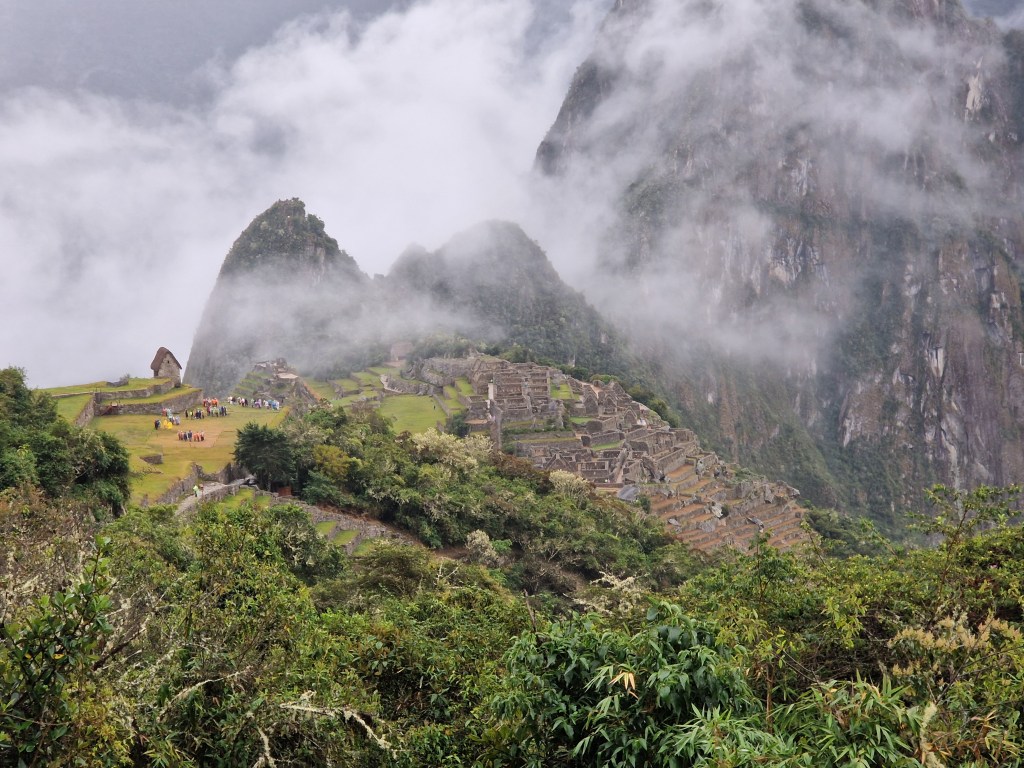
Most people will visit Peru in search of its Modern Wonder of the World, Machu Picchu. If you are able, the best way to get there is by doing a multi-day trek via either the Inca Trail or Salkantay Trail. You can complete the Salkantay trek without a guide. However, this is not possible for the better-known and more restricted Inca Trail. For a comfortable yet reasonable and ethical budget tour option on the Inca Trail, check out Alpaca Expeditions.
A much less touristy alternative to Machu Picchu and the Inca Trail is the Choquequirao Trek, finishing at the Incan city of the same name. You will need a guide to complete it but there are massive advantages to the reduced crowds at the site. It is also far less commercialised than the operation at Machu Picchu which has been set up purely for tourists and with prices to match.
Safety is also a consideration in Peru, particularly when arriving at Lima airport, which is located in Callao, a city which is part of the wider urban area and not somewhere where a tourist would want to wander around. Instead, get your accommodation to organise an airport transfer for you and ignore the drivers trying to persuade you to go with them – they are likely scams.
In general and before visiting a new city, look online at which districts are fine to wander around and which ones are to be avoided. As an example, Miraflores and Barranco are totally safe in Lima while San Juan de Lurigancho is not.

 Into The Elsewhere