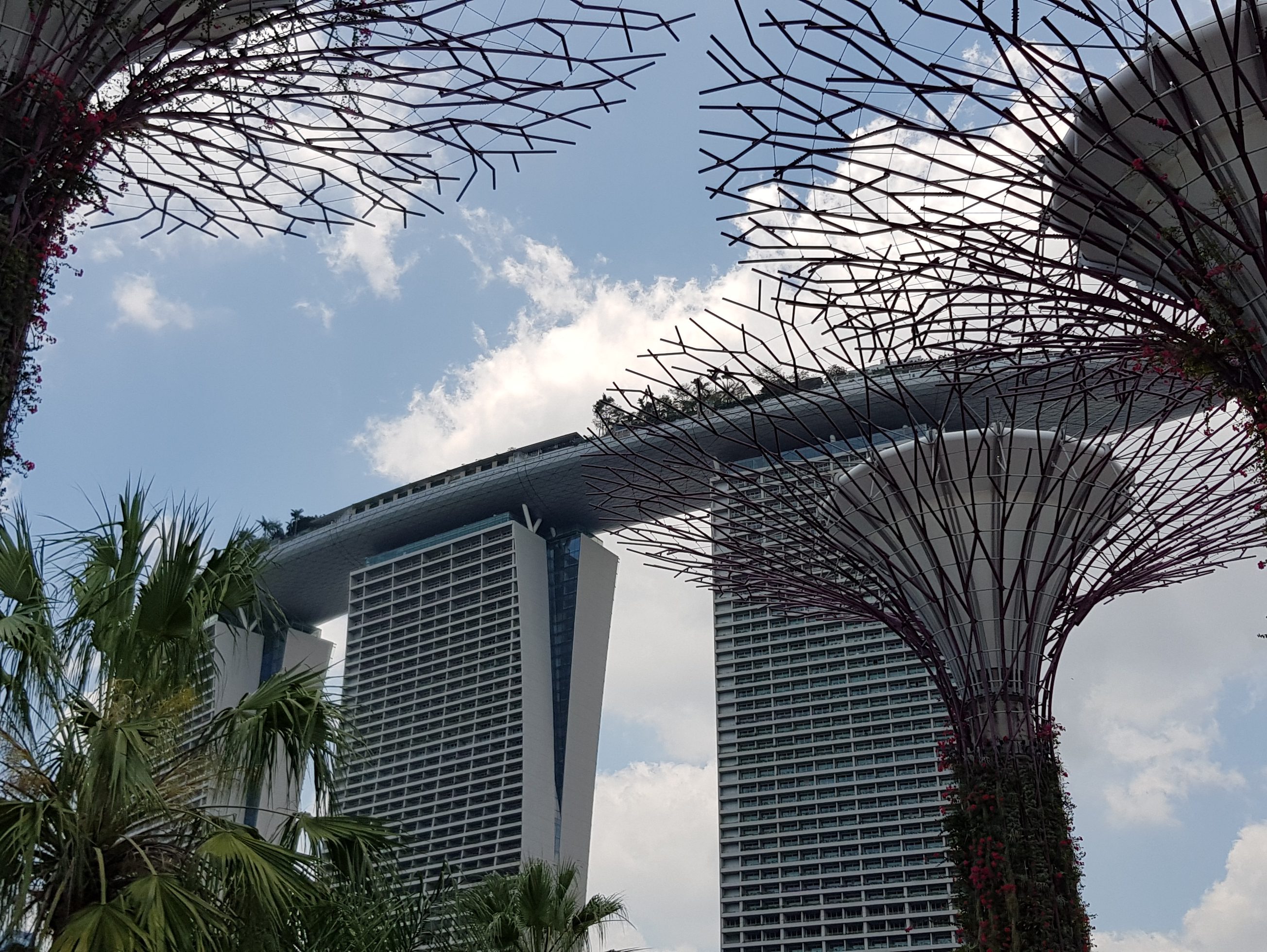
Ask anybody who has ever travelled and there will be places which have stuck with them. Over the course of a lifetime, their memories of these places never fade, whether it is sipping a Singapore sling on the roof of Marina Bay Sands or watching the sun set over the Kenyan Serengeti, they will be deeply ingrained in a corner of the traveller’s brain, cherished and revisited occasionally, bringing an inevitable smile to their faces.
It is not always happy memories which stick though. Sometimes these are recollections of hardship, difficulty or experiences which change a person’s perspective on life. It may be a single event – an instance of theft for example – or walking through a community which experiences a level of deprivation which you may have seen on the news but never in person.
This mix of positive and negative experiences is what can make travelling so special but also incredibly eye-opening. It tends to be that those who decide to put themselves out there and actually do it have a level-headedness which is perhaps less common among those who have chosen not to or cannot.
I personally feel no different in this instance, which brings me on to Cambodia. Yes, I was there as a teenager, by myself in 2019 and, yes, 2019 is now a vaguely terrifying seven years ago. However, some of my memories and what I was lucky enough to experience in the country is no less vivid in my mind to this day.
Before I truly dive into what my much younger self felt and saw in the few days I was there, though, it’s probably worthwhile to have a brief history lesson regarding the Khmer Rouge movement and Pol Pot.
“Unwilling to get a bed for just a couple of hours, I sat, slumped, on the floor”
This was a man who, without exaggeration, was the Cambodian answer to Adolf Hitler.
As leader of the country in the 1970s, he presided over a genocide which saw a quarter of the country’s population slaughtered. This was a communist movement which rose up against all intellectuals, a term with insanely broad definitions. People were killed for as little as wearing glasses.
As a whole, the country endured untold suffering through this period. The regime fell in 1979 and left behind a starving population and a broken society, scared to speak to others for fear of being reported to the Santebal (or secret police). The country was littered with prison camps and open areas covered with shallow graves, known to you and me as the Killing Fields.
Today, Cambodia still bears the scars of this dark period; its development was undeniably set back by the horrors of the 70s. That said, it now has a vibrancy which would almost inevitably have been absent in the previous decades.
I arrived at 5am at my hostel in Phnom Penh, the Cambodian capital. Unwilling to get a bed for just a couple of hours, I sat, slumped, on the floor in a corner of the reception room simultaneously flicking through my phone and nodding off back to sleep after a rough overnight bus journey from Siem Reap.
I had a vague knowledge that something had happened to this country a few decades ago and had definitely heard the term “Killing Fields” but knew little context of what had actually happened at the time. As I was only booked to stay in Phnom Penh for a single night before travelling on to Vietnam, I knew that I had to go and visit that morning if I was going to visit it at all.
Equally uncomfortable in a different corner of the hostel reception was another man, old enough to be my dad. After a while of us both antisocially pretending that the other didn’t exist as we tried in vain to sleep, I eventually walked over.
Over the course of seven years his name has slipped my mind. However, I recall that he had travelled to Cambodia from his home in Germany, seeking a break from work in the automotive industry and an adventure while he was still able to go on one. I admired his spirit and bravery, travelling alone in a world which was dominated by people half his age. There was a part of me which hoped that, in 20 to 30 years, I may be brave enough to do the same.
During our conversation, it transpired that there were two parts to my goal of seeing the darker side of this country’s past. The route of someone consigned to death by the Khmer Rouge would have involved them first being sent to a prison camp inside the city, followed by their execution on the outskirts of town.
The German had already been to Phnom Penh’s prison, S21 but was yet to complete the second part of this grisly journey. As much as it would mean doing the route in reverse myself, I gladly accepted his offer to share a ride out to see the Killing Fields.
I don’t think it should really be the job of a travel blog to fully explain the details of what Pol Pot’s regime did to its own people. However, one particular memory stands out for me as I toured around the now peaceful and serene Killing Field and then the buildings of S21, dingy but neatly arranged around a central courtyard.
The first was the manner of the executions. Where groups like the Nazis used gas to kill their victims, the Khmer Rouge could not afford such advanced technology. Often, people were beaten to death to conserve bullets, having first dug their own grave to conserve labour.
“The audio guide chimed in: ‘This is the Killing Tree’”
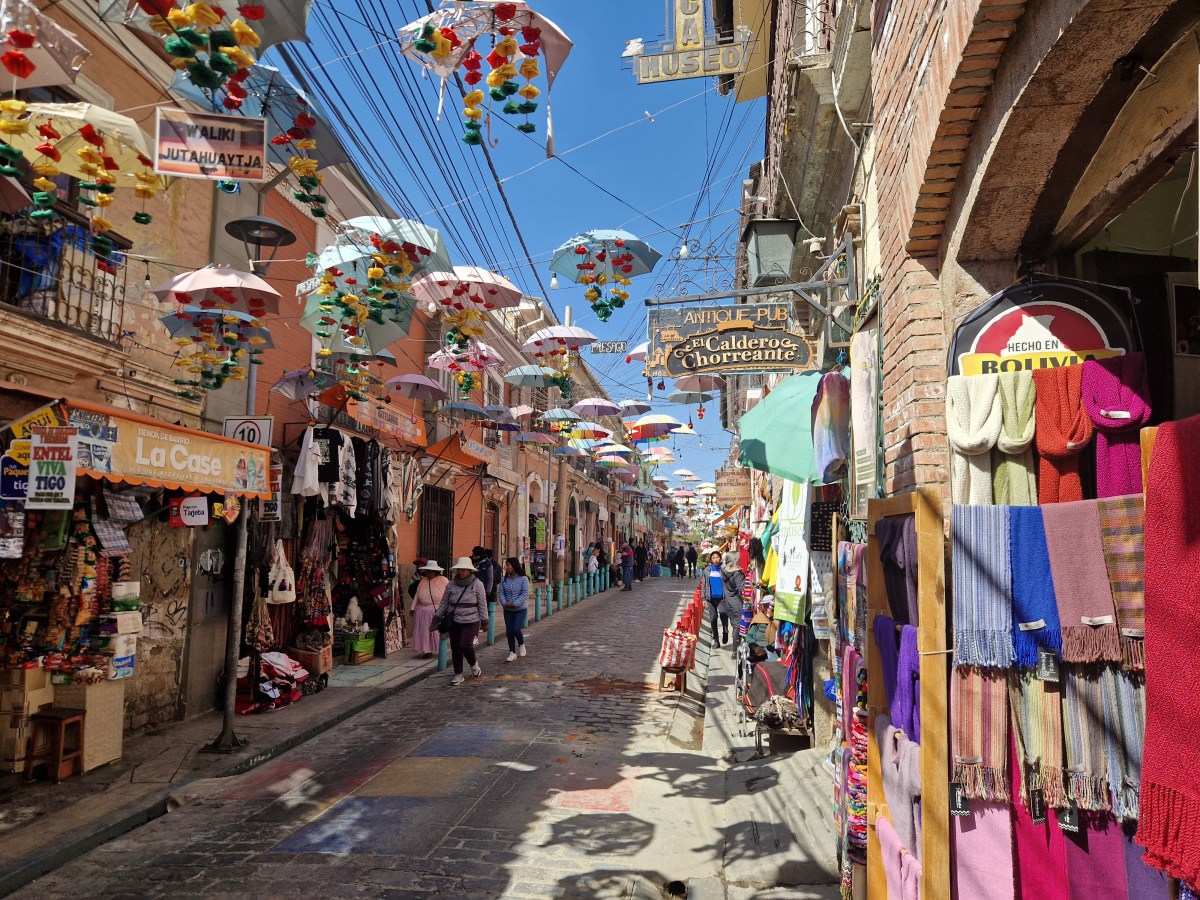
Nowhere was this expressed more starkly than when my audio guide pointed me towards a tree in the centre of the field. This tree had been decorated with colourful bits of string, giving it a look which would be more at home in a colourful South American neighbourhood than at a site where genocide had occurred. It initially seemed to be an island of colour and happiness in a place where those were both in short supply as the region’s history was explained to me.
The audio guide chimed in: “This is the Killing Tree” and the context of what I was seeing rapidly changed. Indeed, this was the place where soldiers, unable to shoot babies to kill them, had swung them by their feet into the tree to end their lives.
The manner in which the audio guide had instantly turned something seemingly beautiful into something else which plumbs the darkest depths of humanity’s occasionally brutal nature will stay with me forever. I stopped for a moment and stared at the tree, perhaps waiting for its beauty to be reinstated in my mind. It never returned. The usual tourist instincts – taking pictures, enjoying scenery, talking to locals – disappeared out the window.
In the tuk tuk on the way back into town, little else seemed significant to me. I knew that, for me, this was just the beginning of my journey and that I was still going to visit the town centre prison, a site where thousands were tortured and forced to confess to crimes they didn’t commit. Even so, Cambodia had already had an indelible effect on me regardless of what lay ahead.
Conversation with the German now seemed less natural as we slowly discussed and tried to come to terms with what we had both just seen, though nothing seemed to fully do its justice. Eventually, the subject veered away and onto his involvement in the automotive industry and the rise of Tesla as a car company. After an experience like the one we had both just had, this seemed superficial in the extreme yet I felt that I needed something to take my mind off things and reset myself, ready for the prison.
The thing that shocked me most among all of this, though, was that Cambodia seemed remarkably normal for a country which had lost a quarter of its population in such a brutal and inhumane way.
It could have been forgiven for bearing a greater number of scars than it visibly did; almost all families had lost people to the Khmer Rouge in the 70s and the episode was still very much within living memory. I would have understood if people had been slightly downtrodden and perhaps angry at the wrongs of the past.
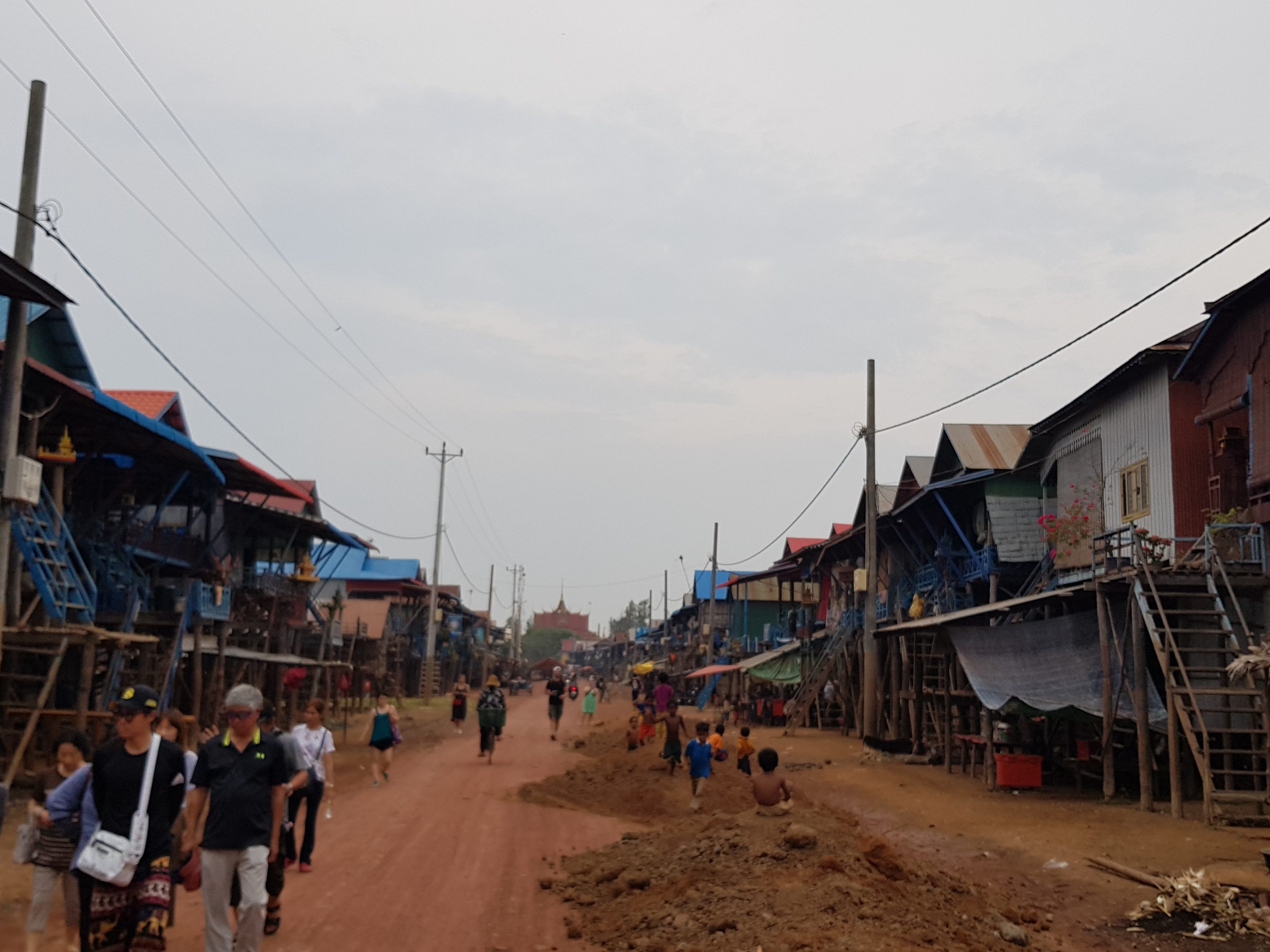
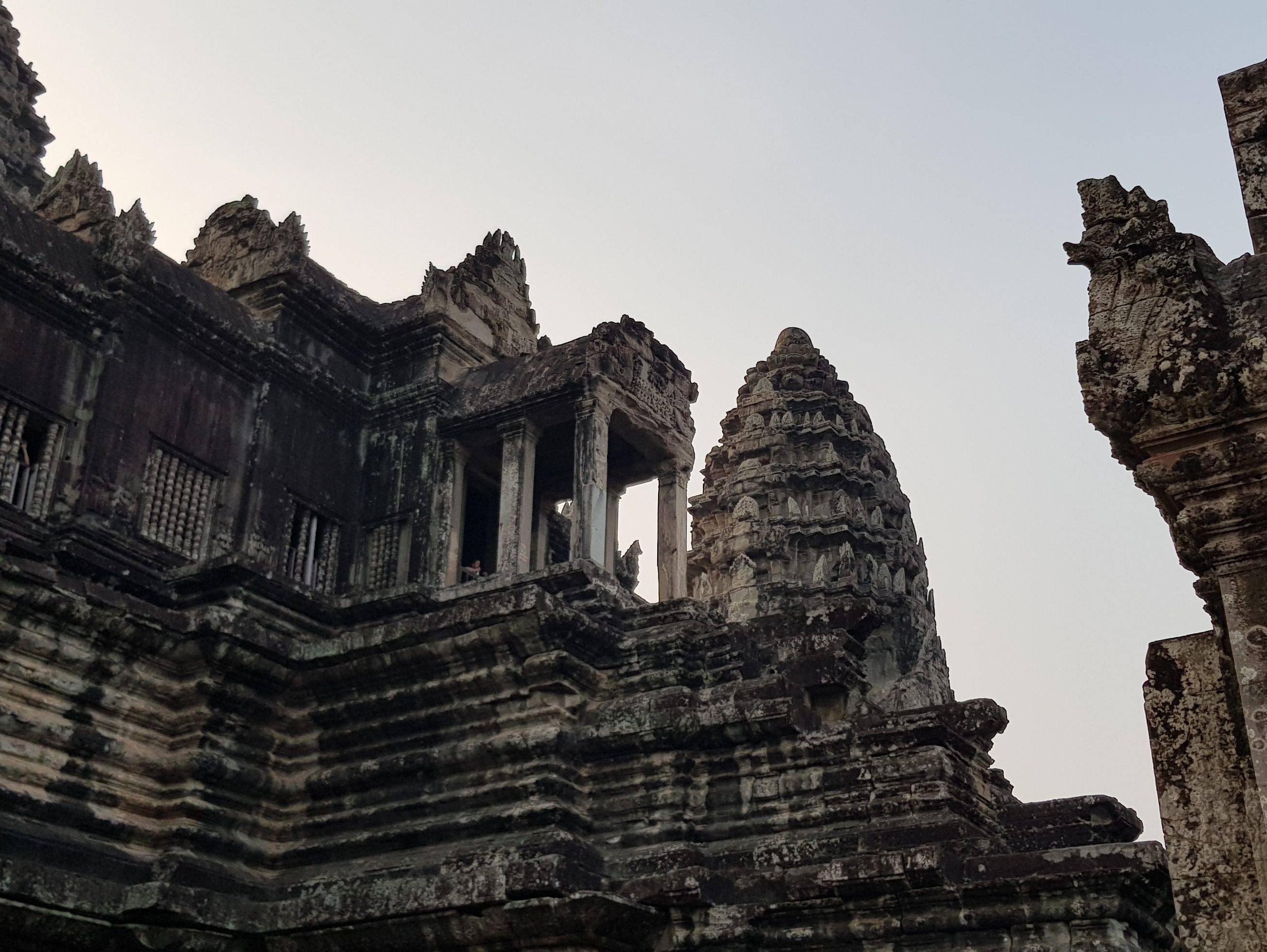
Instead, Cambodia was a country which seemed determined to make its own way in the world. It was home to, in my experience, happy and smiling communities which welcomed tourists with open arms, especially in places like Siem Reap, the gateway to Angkor Wat.
Everywhere I went, the streets were buzzing with life, from the makeshift tuk tuks constructed from the front end of a motorbike and the back end of a cart, to the multitude of street-side stalls selling anything from clothes to sugarcane juice. Though Cambodia was determined that the past be remembered through Phnom Penh’s S21 and Killing Field, it was by no means defined by it.
I was left in much the same manner. As I have said, there are some episodes which people who have travelled will never forget and, without doubt, this is one of mine. I am glad it is – knowledge of regimes such as the Khmer Rouge is important to ensure that history doesn’t repeat itself. Even so, it is far from my only memory of the country, even after seven years since I visited.
 Into The Elsewhere