A country full of atmospheric cities, relaxing coastlines and some of Africa’s highest mountain ranges, Morocco should be high on any traveller’s list of places to visit. Its proximity to Europe makes it relatively accessible and a nailed-on hit for sunshine, great food and cultural experiences that are quintessentially North African.
Please note that these are all my personal recommendations and are not sponsored in any way.
Getting There
Morocco can be accessed easily from almost anywhere in Europe thanks to the multitude of budget airlines which fly to multiple cities across the country. The airlines include Ryanair, easyJet or Wizz Air, with the largest airports served including Casablanca, Marrakech or Agadir. More comfortable options come from the likes of British Airways, Lufthansa, KLM or Air France among others. Shop around and you’re bound to get a good deal.
From further afield, Royal Air Maroc fly to several destinations in North America (as well as Europe). United Airlines also offer some flights from New York to Marrakech and Delta fly to the same place from Atlanta.
It is also possible to get to Morocco by ferry from Spain, Gibraltar, France or Italy with either GNV or DFDS. Finally, it is worth noting that the land border with Algeria is currently shut to all traffic.
It is currently possible for UK nationals to visit Morocco for up to 90 days without a visa, according to the FCDO. The same is true for US citizens and much of Europe.
Major Destinations
Major tourist destinations within Morocco include:
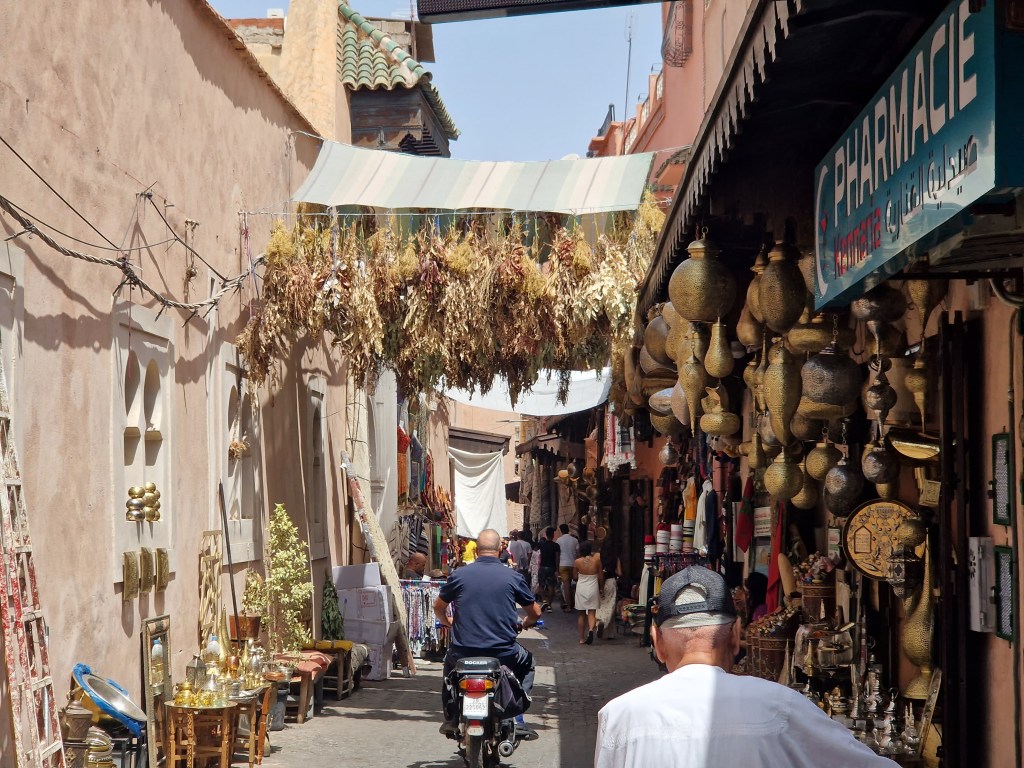
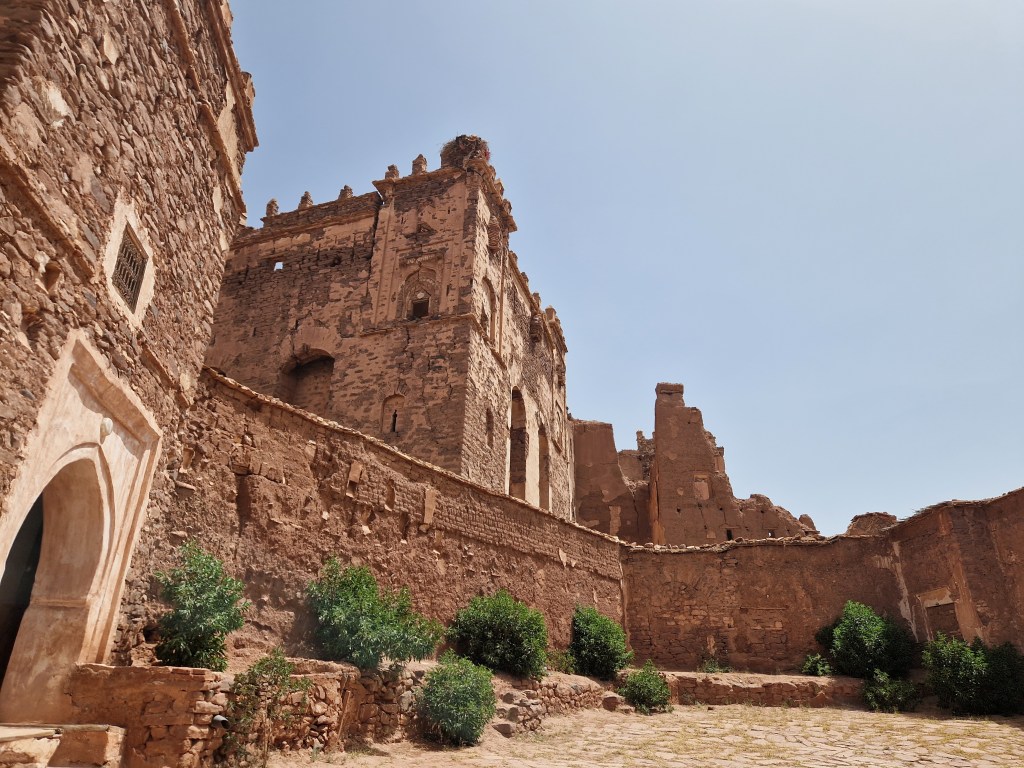
- Marrakech – the country’s cultural heart and primary tourist spot
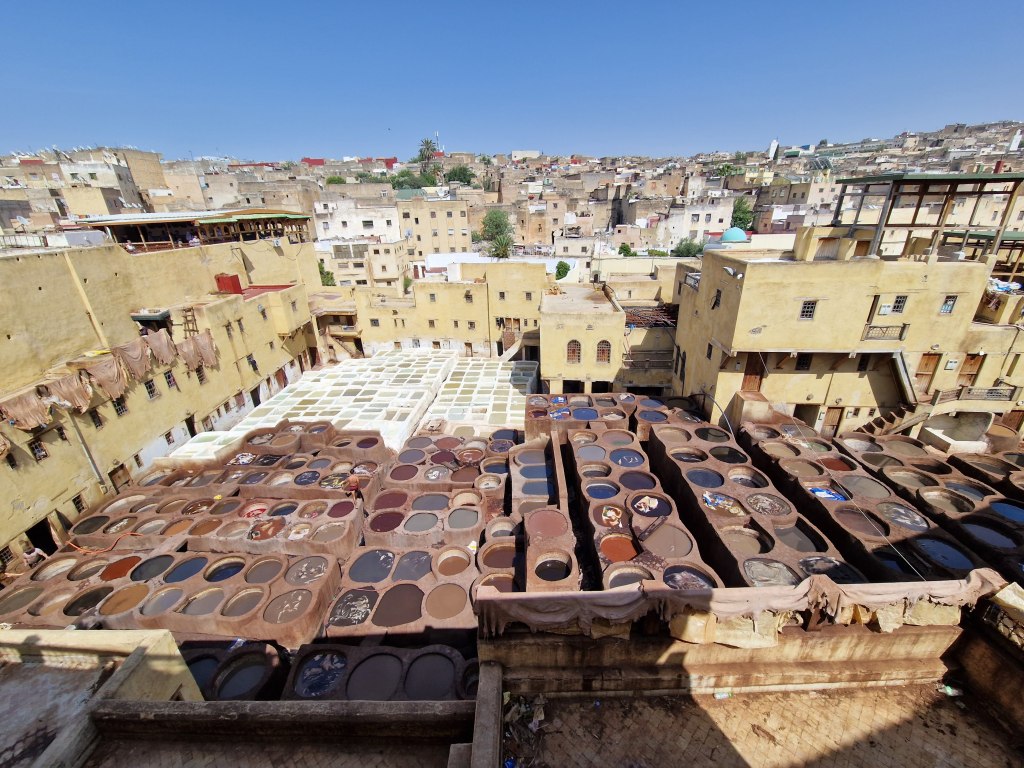
- Fès – famous for its tanneries, its a more chilled alternative to Marrakech
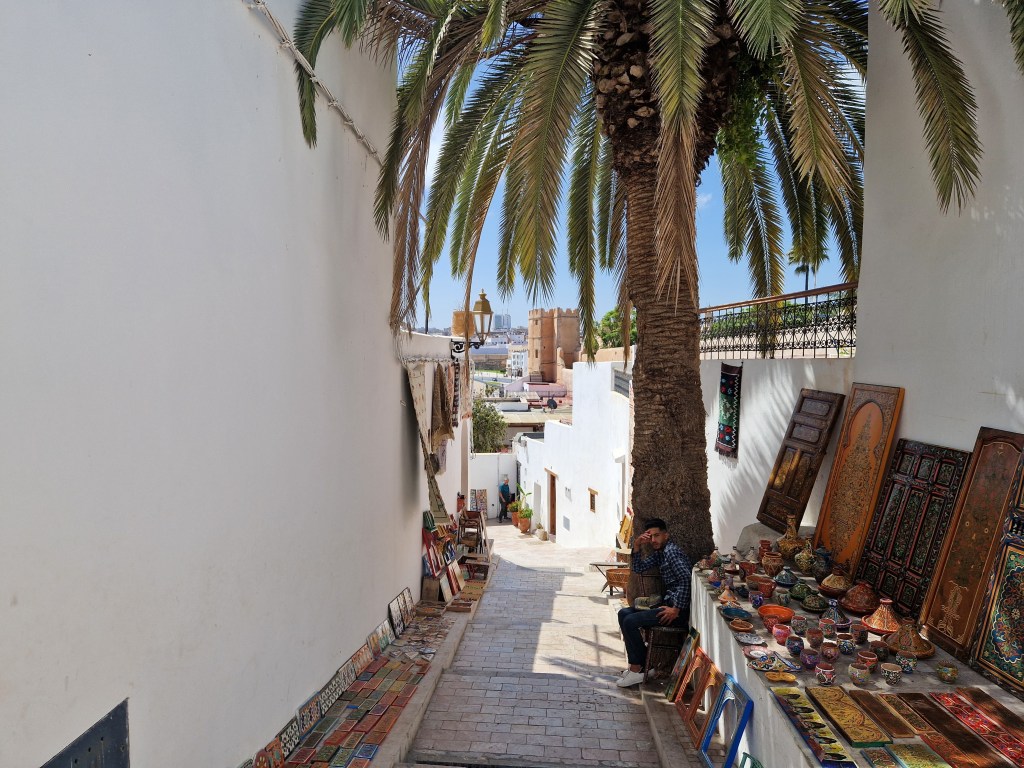
- Rabat – the capital, offering a more cosmopolitan version of the country
- Chefchaouen – known as the blue city, get lost in its winding streets
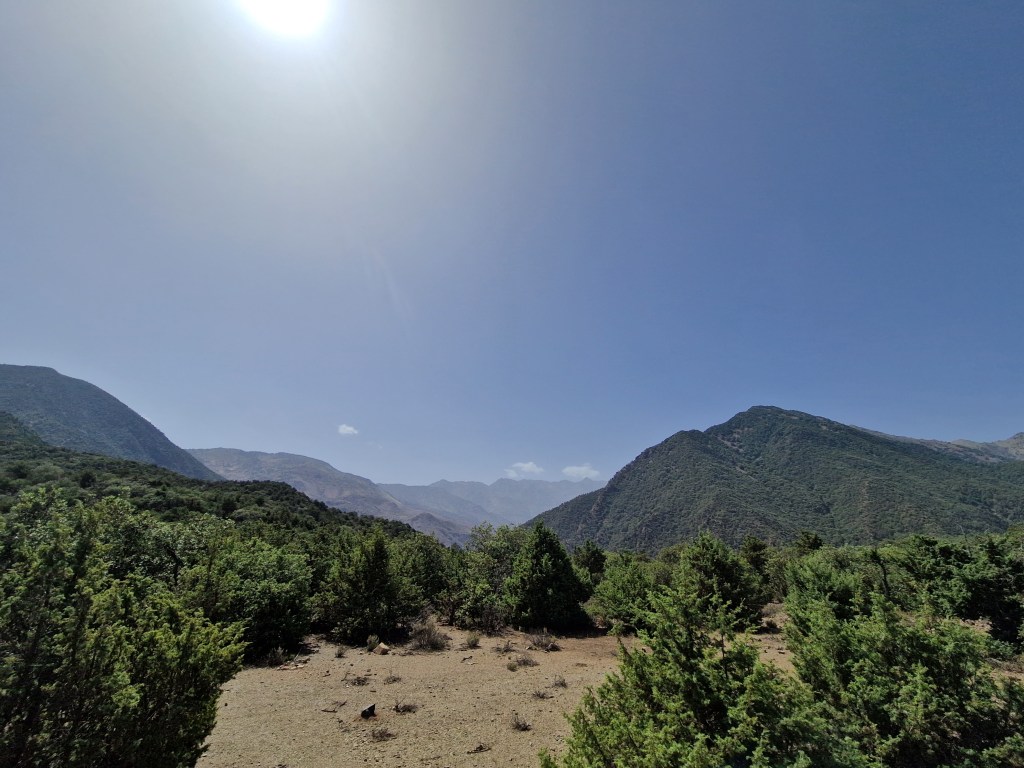
- The Atlas Mountains – stunning mountains and some of Africa’s tallest peaks
- Essaouira – a coastal city, great for getting to surf spots such as Taghazout
- Ouarzazate – close to Aït Benhaddou and home to the country’s film industry
Getting Around
Morocco is home to what is currently Africa’s only high speed railway network, connecting Agadir to Tangier via Marrakech, Casablanca and Rabat. Tickets for this and all other trains in Morocco can be booked through ONCF, the country’s national rail company. Be aware that you may need to be connected to a Moroccan VPN to make a booking.
Can’t find a Moroccan VPN? Use 12go instead to book trains.
If you reach the limits of the trains, Supratours is a bus company also run by ONCF, who have destinations across the country.
When in cities, you may be blessed with trams to get around in places like Casablanca. Where these aren’t available, Careem is the country’s main ride hailing app. However, by all accounts, apps are not widely used across the country for taxis, with old-school haggling still the main way to get a ride. if you do this, make sure that either a meter is being used or you have agreed the price before departing.
It is possible to fly internally in Morocco though, unless you are travelling the whole length of the country, the train may be just as good and a lot cheaper. If you are insisting on flying, check out Royal Air Maroc.
Accommodation
Morocco isn’t short of great accommodation options. Hostels are generally cheap at less than £15 in places like Marrakech.
Perhaps even better than a hostel is the opportunity to stay in traditional Moroccan riads. These converted houses, plain on the outside, are usually extremely ornate on the inside and situated close to if not inside the medinahs (or city centres). Yes, they are a bit more expensive at around £45 per night but this can be well worth it with their plunge pools and relaxed atmosphere.
Money
The currency in Morocco is the dihram. You will need to get yourself cash as cards are not widely accepted across the country. The best place to do this is at branches of Al Barid Bank, who largely offer commission-free withdrawals or withdrawals with a small fee.
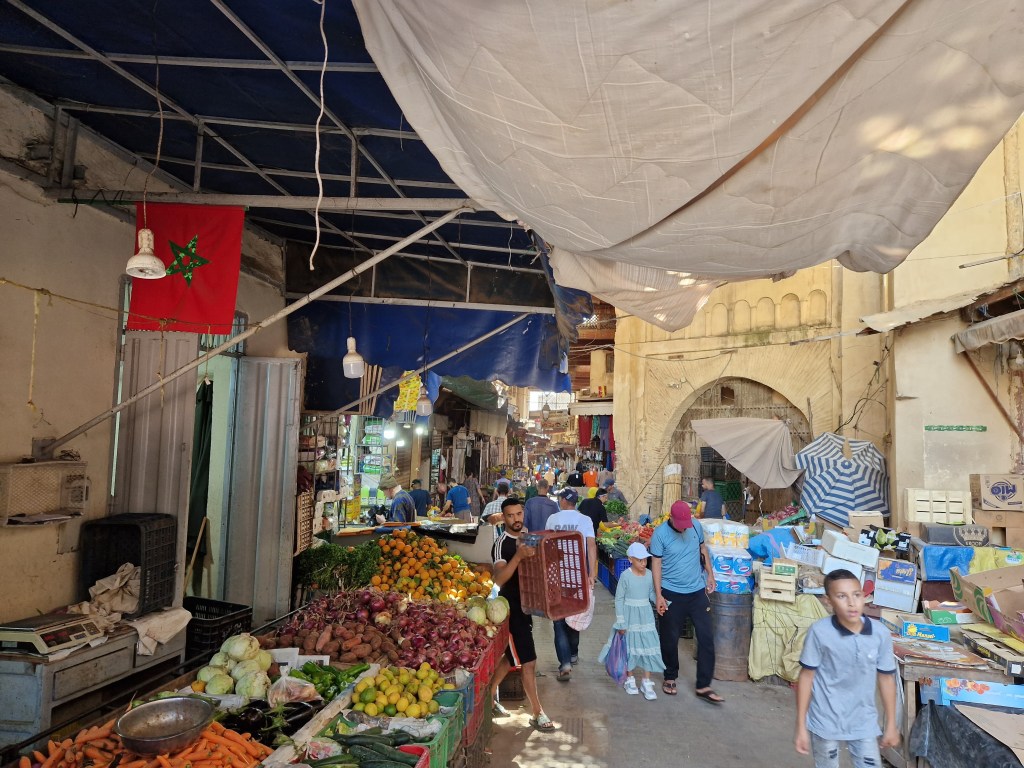
On the subject of money, its important to emphasise the role that haggling has in Moroccan society. This is something which you should look to do at all stalls when buying souvenirs or when getting a taxi to name two examples. Always be confident and walk away if you feel that the price isn’t right.
Other Points
An interesting subject in Morocco is the status of Western Sahara. This disputed territory to the south of Morocco proper is viewed by Moroccans as part of the country. However, some people in Western Sahara disagree and there is a sizeable independence movement. Occasionally, Mauritania and Algeria have also got rather involved in the fate of this territory. It is possible to go, though the FCDO advises against all travel to certain parts of it.
As a predominantly Muslim country, its important to note that standards of dress as something to consider when visiting the country. Though Morocco is undoubtedly more accepting than many other similar countries, women will still be expected to cover their heads and shoulders when entering religious sites. Staring from locals may also be uncomfortable if you are wearing revealing clothing.
Finally, Moroccan food must be mentioned as one of the world’s better-known cuisines. From tagine to cous cous (typically eaten on Fridays) to pastilla, its often delicious as long as you can avoid the worst of the tourist traps. Meals are often accompanied by sweet mint tea.
 Into The Elsewhere