The largest and most developed city in the whole of the Balkans, Belgrade is likely to form any part of a trip in that part of the world. It doesn’t warrant a place on an itinerary just through its size though; this is a cosmopolitan place complete with good museums, monumental attractions and some of Europe’s best bars.
Please note that these are all my personal recommendations and are not sponsored in any way.
Getting There
Belgrade has a major airport which serves destinations across Europe and beyond (including New York, Chicago and Toronto), largely thanks to national carrier, Air Serbia. Interestingly, Air Serbia’s presence combined with the country’s relative closeness with Russia means that this is arguably the only European airport with flights still running to Moscow (and a few other Russian cities).
For those in Europe not wanting to transit via Russia, budget airlines are probably going to be your best bet – Wizz Air run a hub from the airport out to places such as Milan or London. easyJet also run a route to Geneva. Other, more expensive carriers to Belgrade include Turkish Airlines, KLM or Lufthansa.
Many also cross overland into Serbia. This is possible from all bordering countries by bus or car. A website like 12go is the best way to do this.
However, this brings up the Kosovo question. Though Kosovo is an internationally recognised, independent nation, the Serbs still see it as part of Serbia. As such, expect, when crossing to or from Serbia and Kosovo, that the Serb border post will not exist; they see it all as part of the same country so why should there be a border? Equally, expect to be refused entry to Serbia if you have a Kosovar stamp in your passport.
Bearing in mind the condition above about Kosovar stamps, UK nationals can visit Belgrade (and the rest of Serbia) for up to 90 days without a visa at the time of writing. Up to date information can be found through the FCDO. The same is true for US citizens, with the latest information here.
City Highlights
The highlights of Belgrade include:
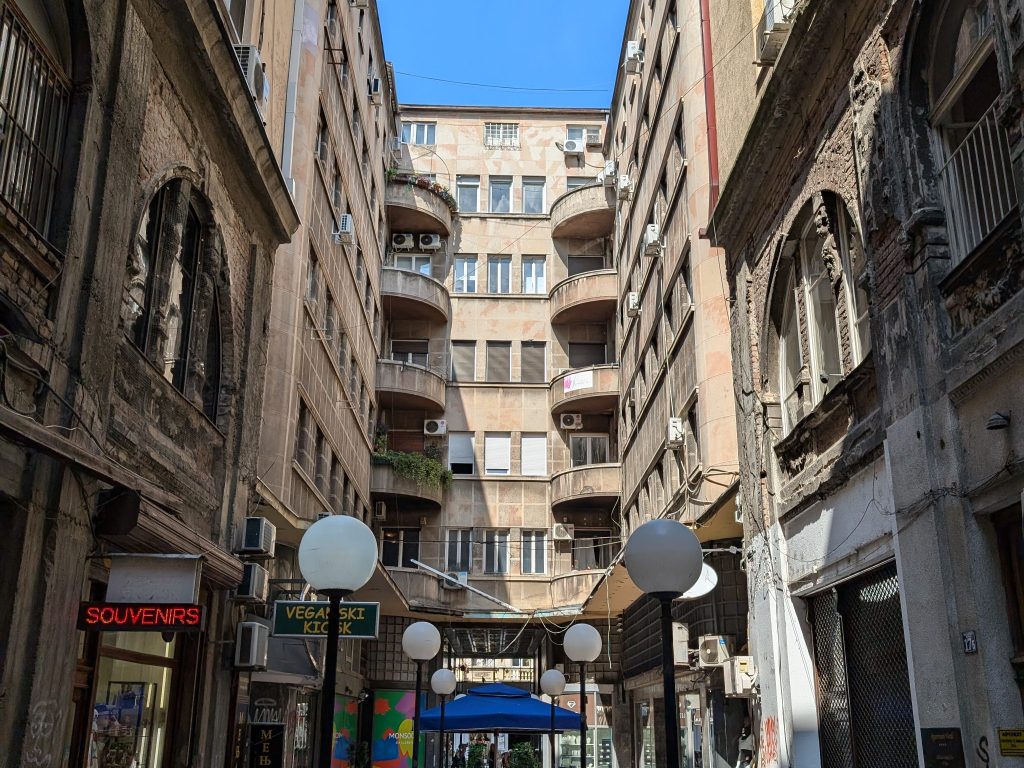
- Stari Grad – translated to Old Town, this is the attractive heart of the city
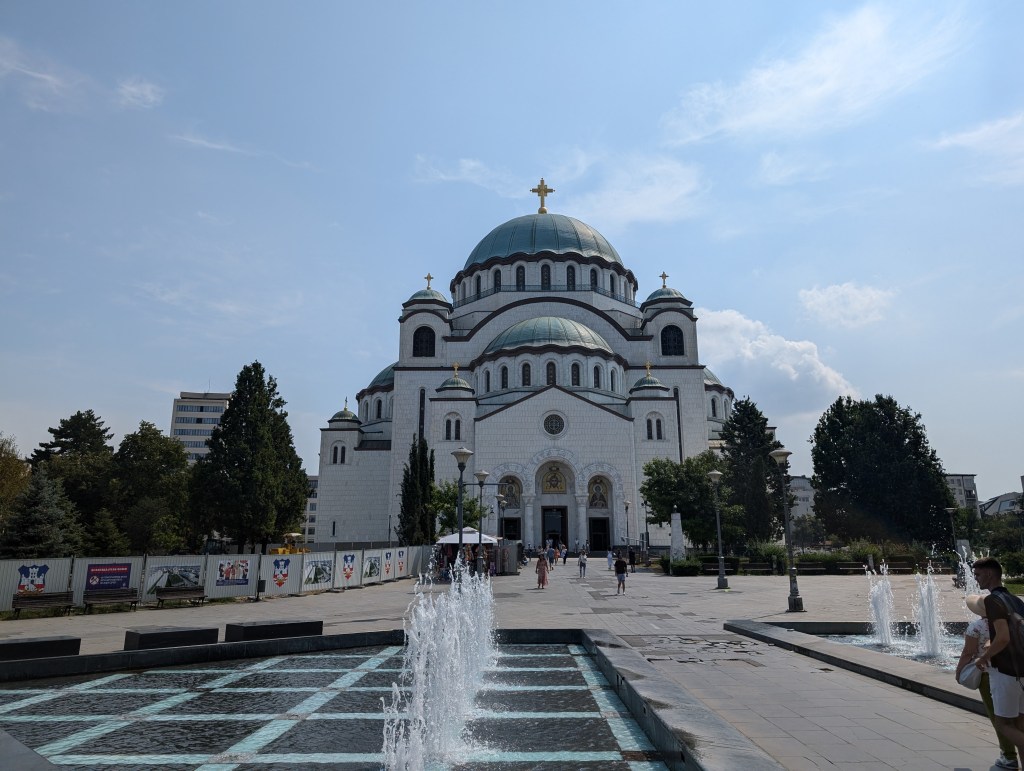
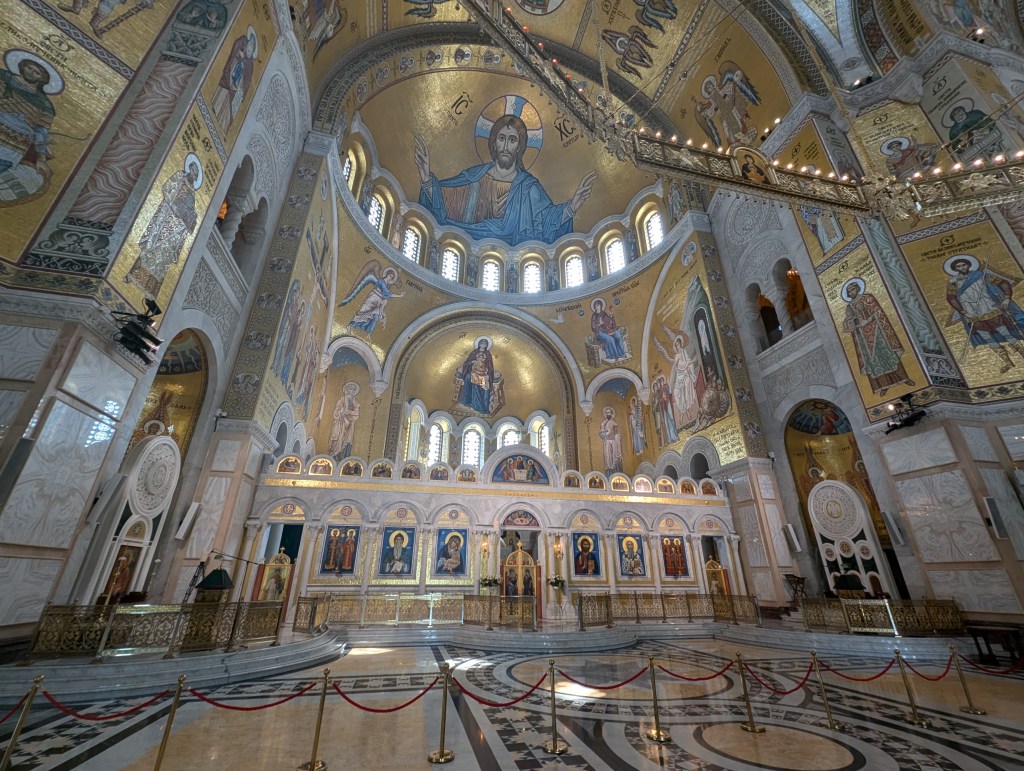
- St. Sava Church – the world’s largest Orthodox church, with interior to match
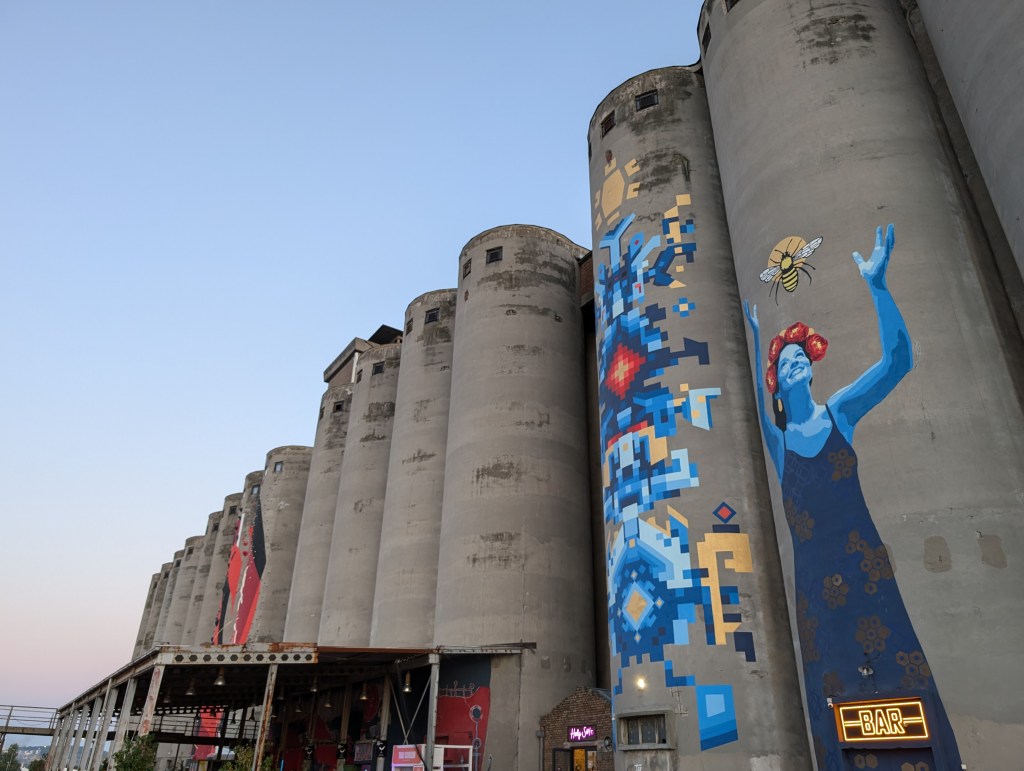
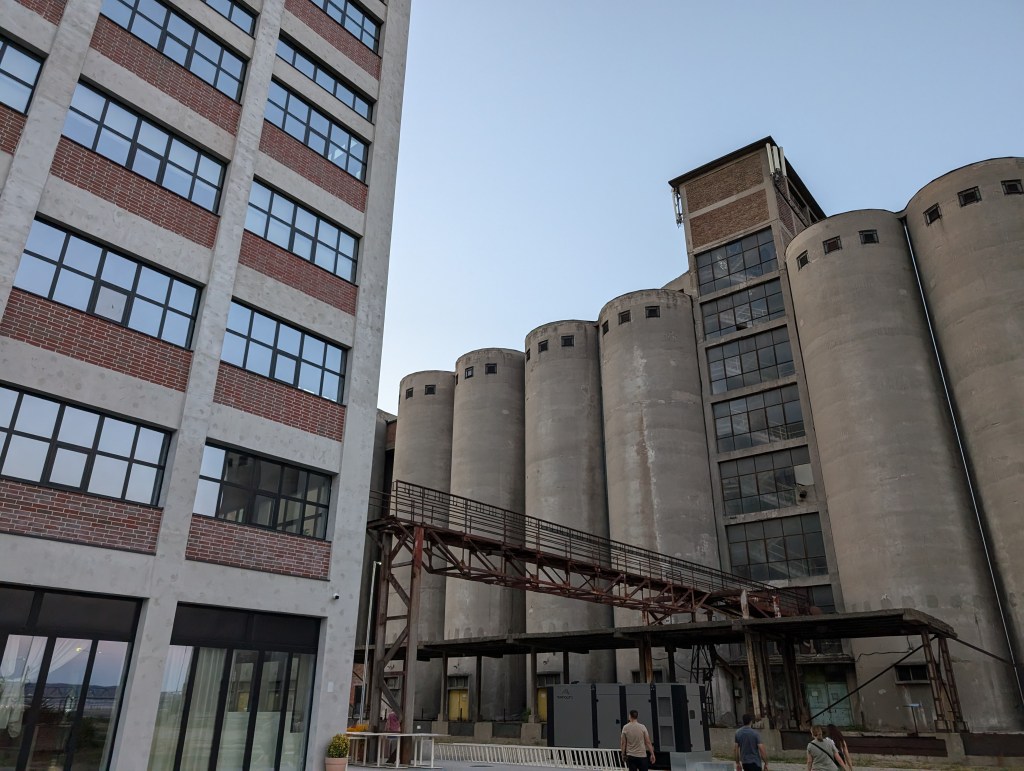
- Silosi – art installation and bar inside and around massive former grain silos
- The National Museum – modern and full of interesting historical exhibits
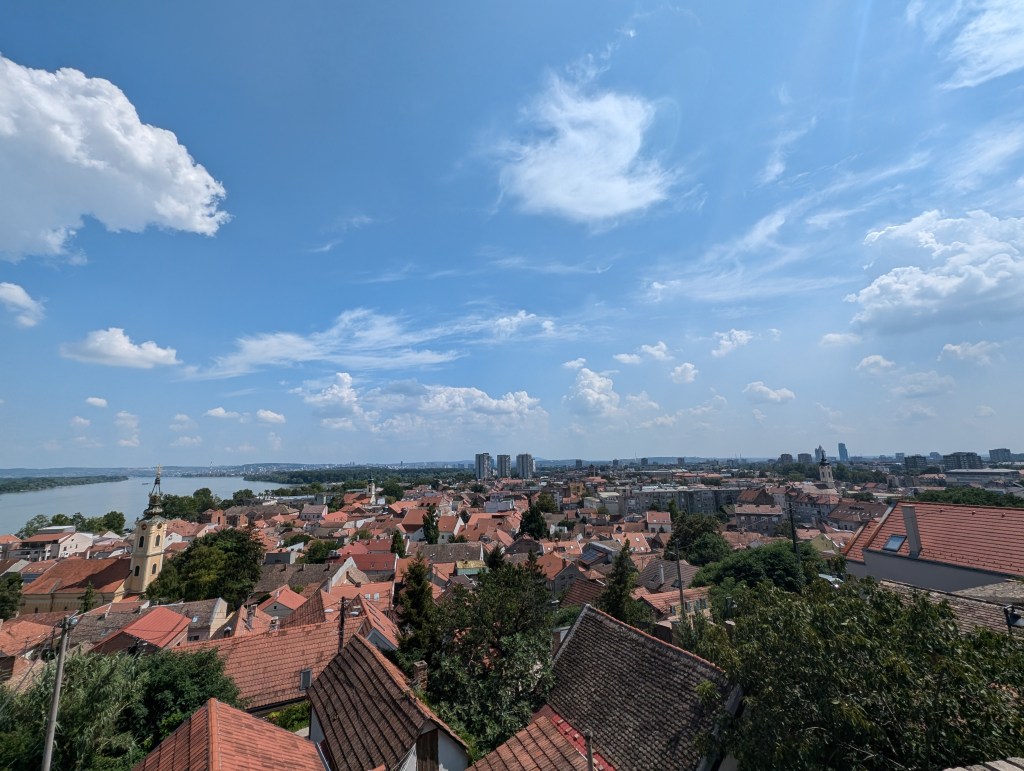
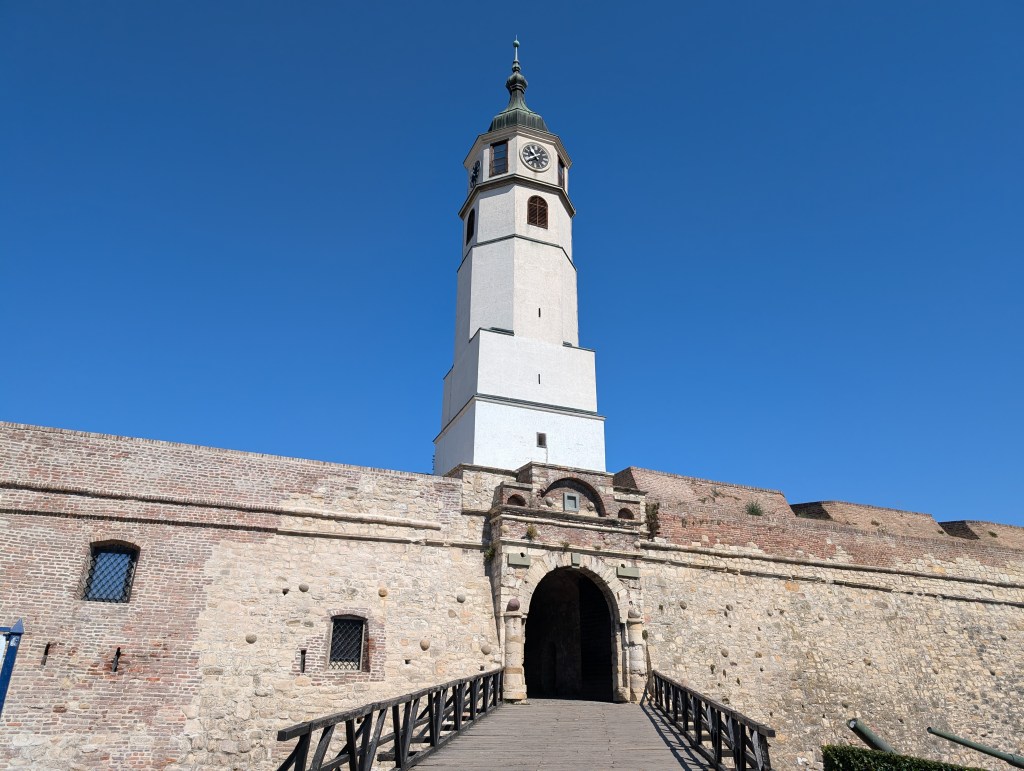
- Belgrade Fort – the fort provides excellent views over the city and the Danube
Getting Around
There is a large bus and tram network which runs around Belgrade and, as of 2025, the confusing payment methods to ride them have been done away with in favour of making them free to ride. This includes bus numbers 72, 72N and 600 which run from the airport into the city centre.
For those still wanting to spend money on their airport transfer, the A1 minibus will still happily take it even though it will still likely take the same amount of time. Prepare for this to be around 400 dinar (£3.50) per person one way and payable in cash only to the driver. In other words, just take the normal bus.
The main ride hailing app in Belgrade is the Russian Yandex Go. This is typically reliable though some language skills may be advisable to avoid the possibility of being scammed. There are multiple stories online of tourists being asked for more money once they arrive somewhere, despite already paying through the app.
Accommodation
In terms of hostels, Balkan Soul is a decent bet for a hostel which has regular events and a decent buzz about it, while being centrally located. In general, expect to pay anywhere between £10 and £20 a night for a dorm bed.
For a hotel room in the city centre, expect to pay at least £40 per night for a budget option. As things get posher, this rises to something more like £350 per night for a Western chain hotel.
Money
The currency in Serbia is the dinar, which is unlikely to be widely available in the UK or anwhere else outside the Balkans. It is useful to have some cash in Belgrade, though a lot of places also take cards and the city is in something of a transition phase.
You’ll therefore need an ATM in Serbia to get your dinar. Your best bets are either Halkbank or Yettel to avoid large commission fees.
Other Points
It’s not often that I’d write a note on safety, particularly for a place in Europe. I would also say Belgrade is, for those that remain respectful to Serbian custom and opinion, safe. Stray away from those customs, though, and this is a place which feels like you could very easily end up somewhere you really don’t want to be. It can at times have an itimidating feel – something which even the police work to maintain by harassing tourists unknowingly crossing the road (yes, technically illegally) to access the city’s new train station. Stay on the good side of the Serbs.
A lot of this slight unfriendliness is to do with politics. It wasn’t long ago at all that NATO was bombing Belgrade and the signs of that campaign still show in anti-Western grafitti and feeling. Generally and unless its plainly safe to do so, don’t engage with people on subjects such as Kosovo or the Bosnian or Kosovo Wars of the 90’s.
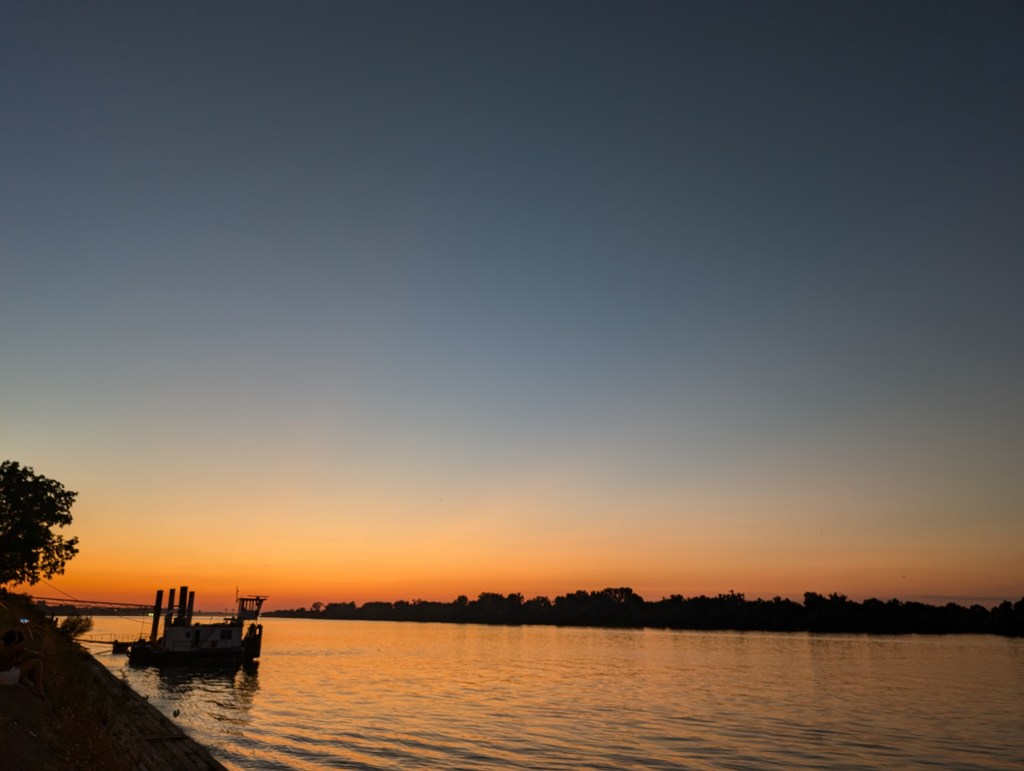
Even so, Belgrade has some of Europe’s best bars and nightlife. Particular highlights include Silosi, a series of enormous grain silos on the banks of the Danube which have been decorated with street art and now house a bar which are best experienced at sunset, and April Bar for somewhere closer to the town centre. If neither of those take your fancy, head west from Skadarska and you’ll doubtless find something good in a block or two.
 Into The Elsewhere