
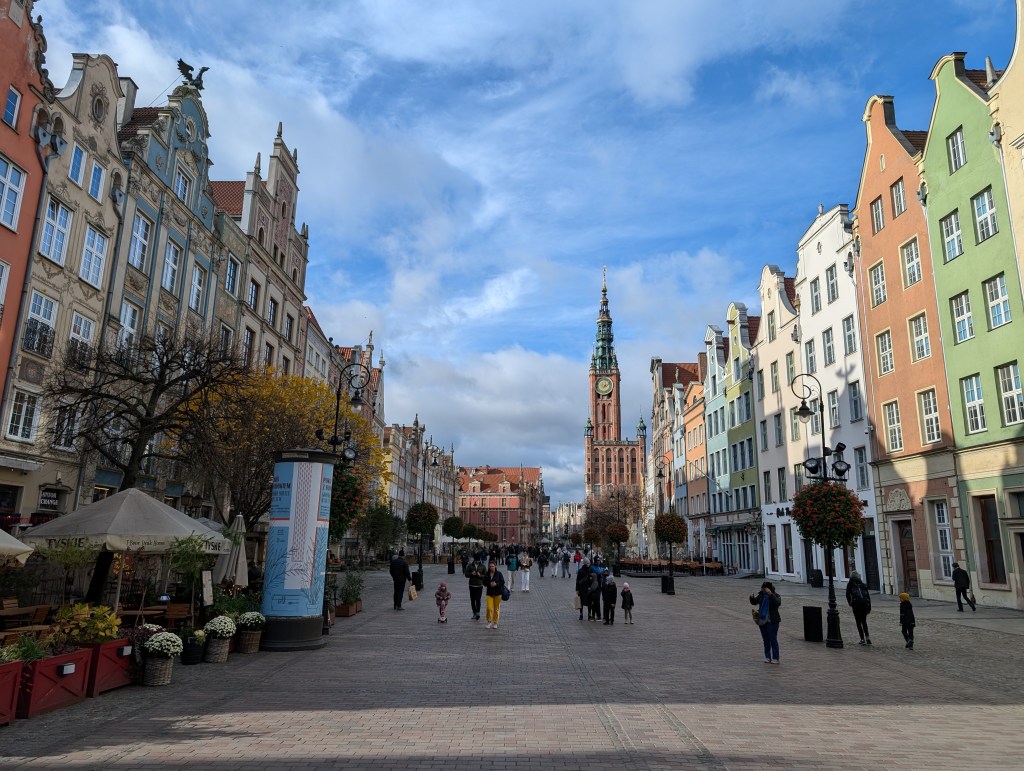
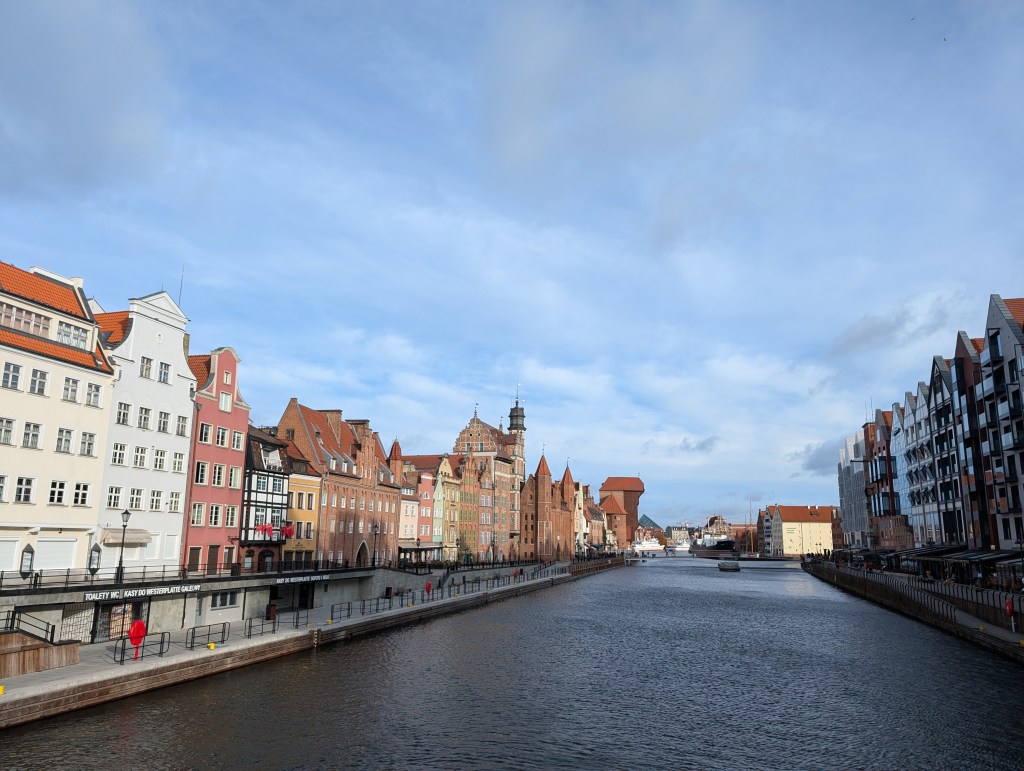
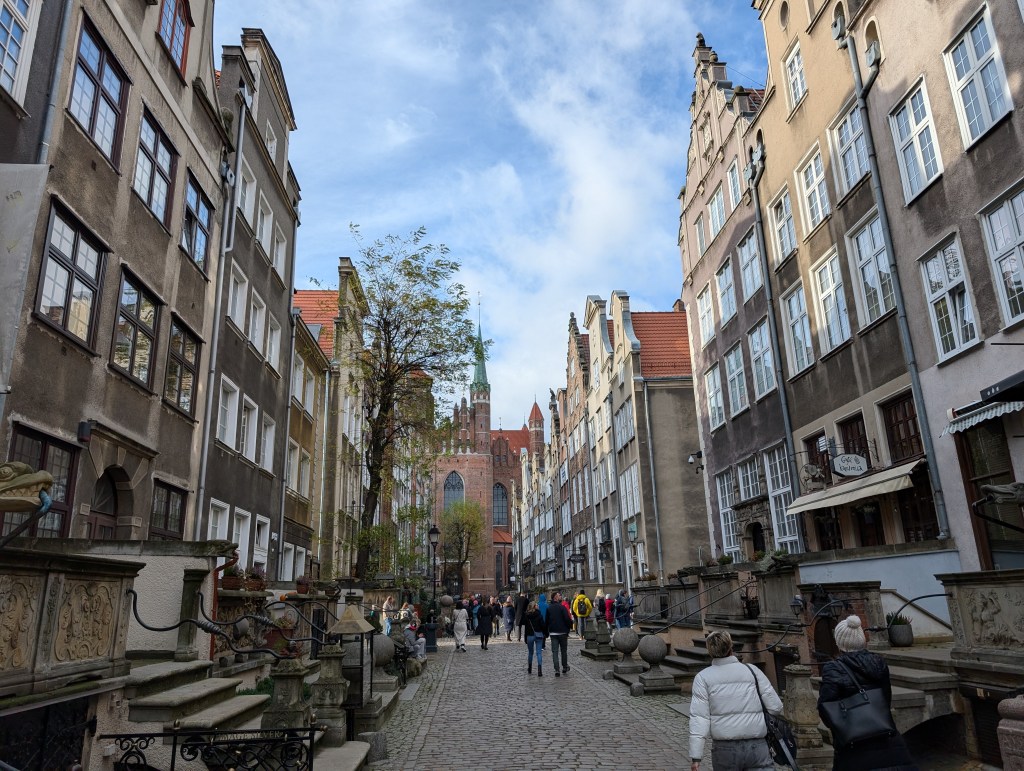
When it comes to European city breaks, this is a true unsung hero. From its stunning varied and rich recent history to the immaculate façades which line every street in the old town (since reflected in more modern buildings too), most people will never even think of Gdańsk when planning a trip when its much closer to a must-visit destination than an insignificant backwater. Currently, the secret is pretty firmly corked up – get to Poland before the inevitable occurs and this beautiful city hits the mainstream.
Please note that these are all my personal recommendations and are not sponsored in any way.
Getting There
Gdańsk is home to an international airport which is served by budget airlines such as Ryanair or Wizz Air, usually at very cheap prices. These are likely going to be your best bet to get to almost every corner of Europe. Some others do fly there such as KLM (to Amsterdam) or Lufthansa (to Frankfurt).
From further afield, Gdańsk does receive flights from Sharjah courtesy of Air Arabia and Istanbul with LOT. There are no direct connections to the USA or Far East.
You may also choose to travel overland to Gdańsk as part of a wider trip. In this case, take a look at PKP Intercity, the Polish national train operator. There is also competition from several others, such as RegioJet, on some routes so be sure to shop around.
Poland is part of the EU, meaning that anyone travelling from the UK, US or another country outside the EU will be required to provide their fingerprints and face scan as part of the new EES border protocol. Bear in mind that this is a slow process and likely will have you stuck at the border a while.
This is because Poland is part of the Schengen area, where there is free movement between countries. Currently, neither US or UK citizens need a visa for a stay of less than 90 days in a 180 day period. More information on who needs a visa and other rules can be found here.
City Highlights
The highlights of Gdańsk include:
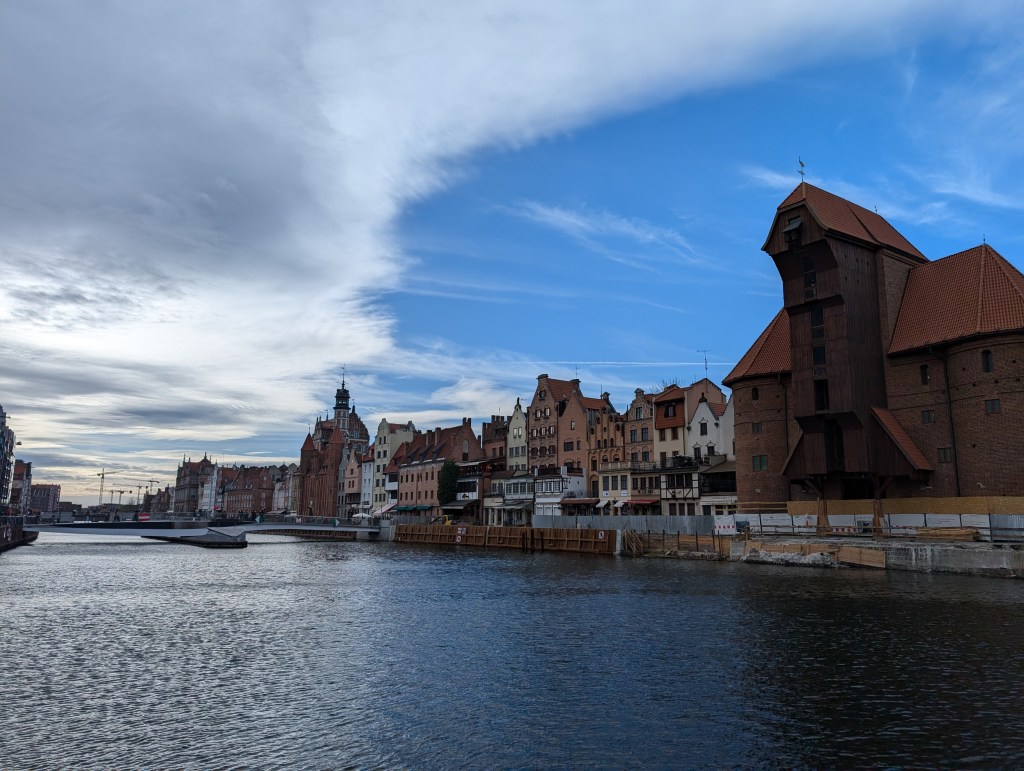
- The Old Town – the city’s beautiful, beating heart
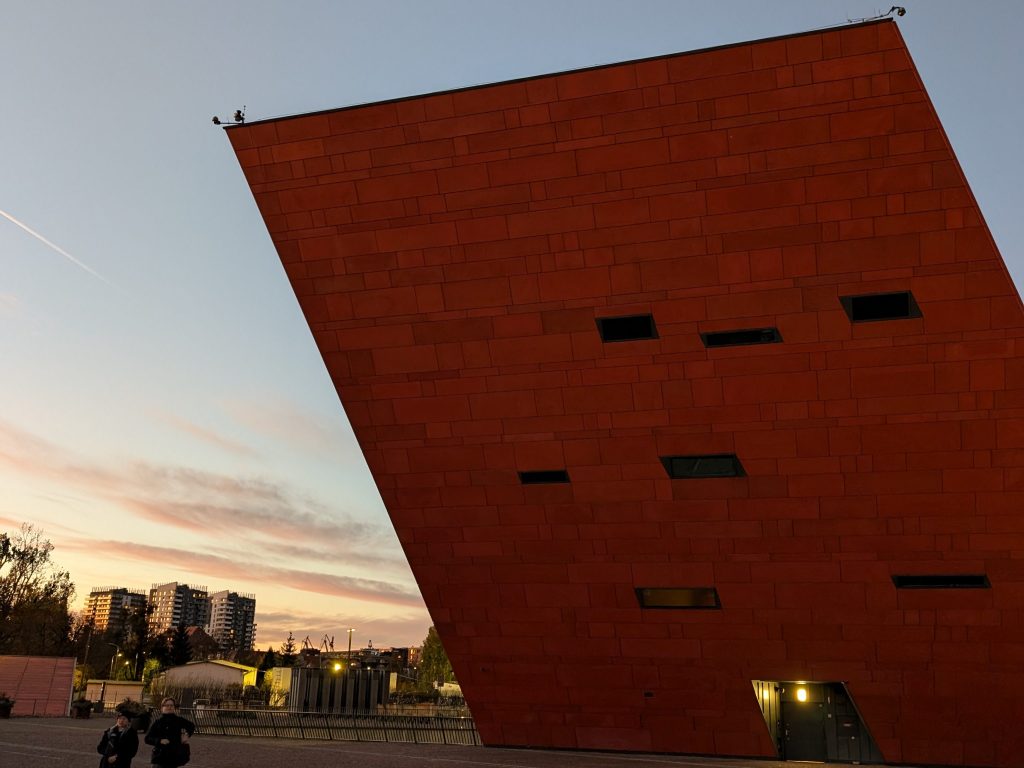
- The WWII Museum – enormous and excellenty curated
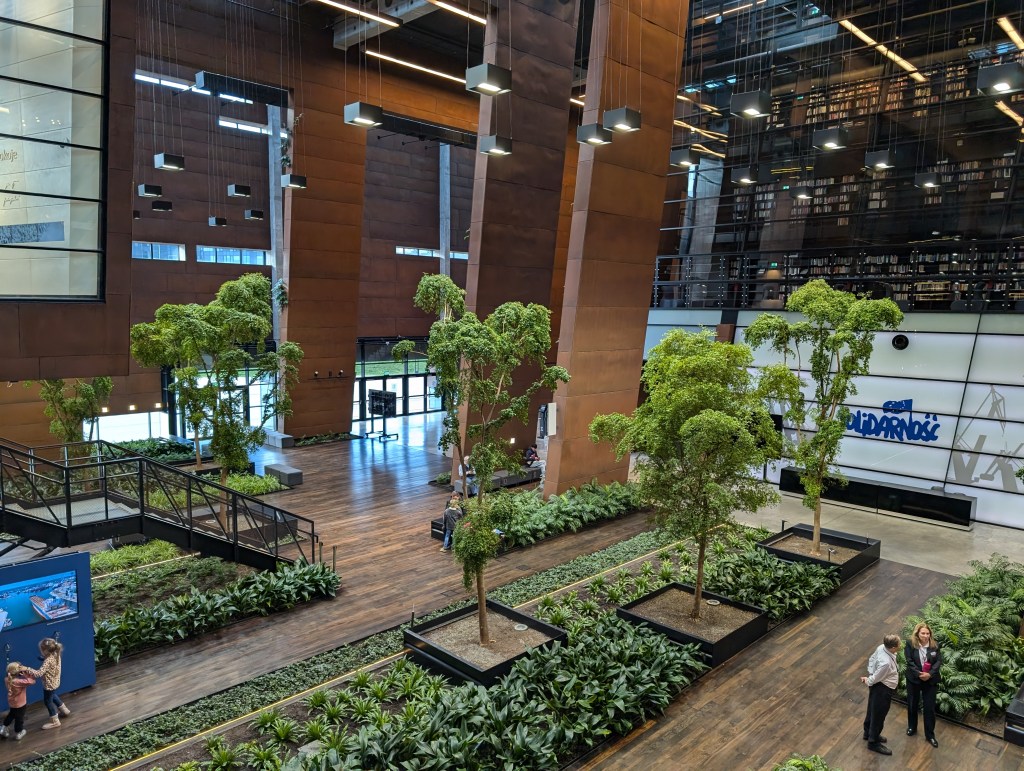
- The European Solidarity Centre – built to celebrate Lech Wałęsa
- Gdynia – the coastal town just a stone’s throw away
Getting Around
The city centre of Gdańsk is full of fairly narrow streets, most of which see very little traffic at all. This means that your best bet is quite often to walk to your destination – all attractions are close enough for this apart from possibly the European Solidarity Centre.
There are however buses and trams which serve areas further out. Tickets for these can be bought at tram stops or ZTM kiosks, with all locations found here.
If you want to get to the airport, the 110 bus runs all the way from the city centre. It should take 40 minutes.
Another destination which definitely isn’t walkable from the city centre is Gdynia. Instead, go to the main station and take the train for a short 15 minute journey.
If you need a taxi in Gdańsk, both Uber and Bolt operate within the city. Bolt tends to be cheaper and more reliable of the two. This is an excellent alternative way of getting to and from the airport and will probably cost less than you think.
Accommodation
Hostel dorm beds can be found in Gdańsk relatively cheaply and easily. Expect to pay as little as £15 per night in a dorm or £25 per night for a private single room. A good bet for somewhere to stay is Moon Hostel, which is extremely close to the city centre.
Hotels are just as cleap, costing as little as £40 per night in the city centre. If you feel like splashing out a bit more, even the Hilton will only set you back around £130 per night.
Money
Poland is not part of the Eurozone, instead using the złoty. Though there may be some countries, particularly outside of Europe, where these aren’t available, Gdańsk is a largely cashless city so the chances of you needing any złoty are quite slim.
If for some reason you do need cash, finding a branch of Bank Pekao is probably your best bet for withdrawing without incurring large fees.
Other Points
As mentioned in the introduction, this is a city which drips with history. While you’re there, be sure to learn about the Hanseatic League; how Gdańsk was, for a long time, an independent state; how WWII started there and the Solidarność movement created there by Lech Wałęsa under Soviet occupation. Though much of the city had to be rebuilt after WWII, the history of the place is still plain to see and is as rich as anywhere else in Europe.
One excellent way of experiencing it is by going on a walking tour. Check out GuruWalk for all the tours on offer on a given day and be sure to carry some cash to tip afterwards.
Finally, Gdańsk is a city where you’ll probably want to be wrapping up warm. Certainly, during the winter months, the wind whips into the city from across the Baltic Sea, meaning that temperatures of five to ten degrees centigrade are rarely exceeded. In summer, the city will only experience highs in the low 20’s.
 Into The Elsewhere