
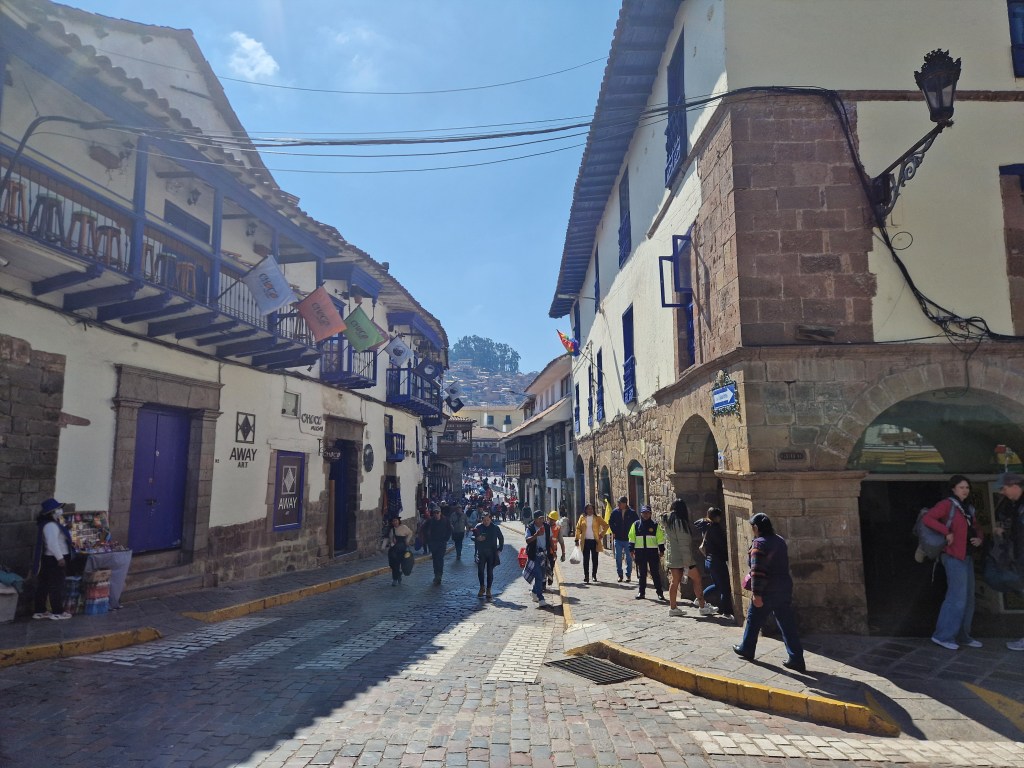
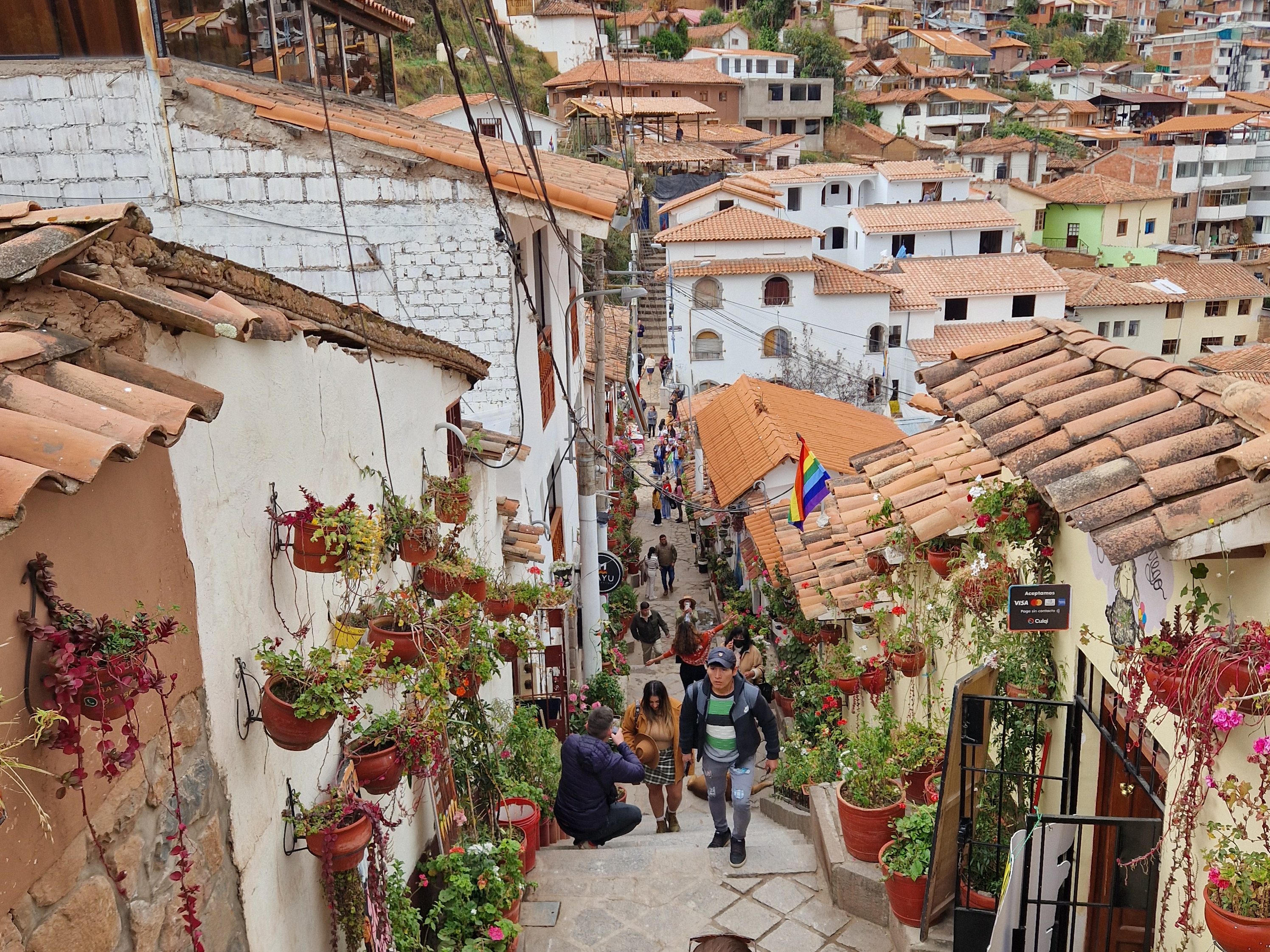
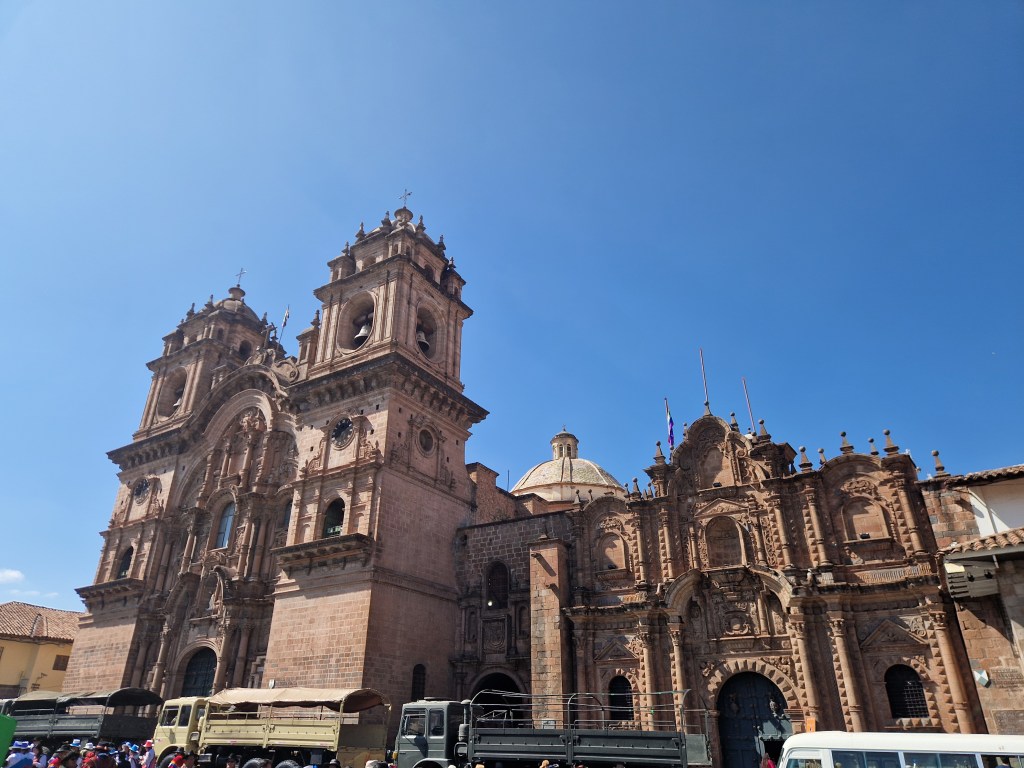
The ancient capital of the Incan Empire, this is a city which will leave you almost as breathless at its astounding history as it will because of the altitide it lies at. Atmospheric narrow streets home to picturesque cafés quickly give way to large squares full of grand, colonial era architecture at almost every turn. Oh and in case that wasn’t enough, some place called Machu Picchu is just on the doorstep.
Please note that these are all my personal recommendations and are not sponsored in any way.
Getting There
Cusco does have an international airport though, due to its altitude, it doesn’t serve anywhere outside South America. There are regular connections to Lima and Santiago with LATAM and Bogota with Avianca, all of which provide better connections further afield.
Many people also arrive and depart the city by bus. Before you do this though, take a look at the journey times as they can be extremely long depending on destination (Lima is 24 hours away for example). Tickets can be booked through redBus and most buses depart from the central bus station, though there are some exceptions.
In terms of the buses you take, some more reputable companies include Transzela or Cruz del Sur. Peru Hop are another company set up specifically to bus tourists around the country and offer hop-on-hop-off multi-day tickets.
At the time of writing, UK nationals can visit Peru for up to 90 days within a 180 day period. More information can be found on the FCDO website. The same applies for US citizens, with more advice available here.
City Highlights
The highlights of Cusco include:
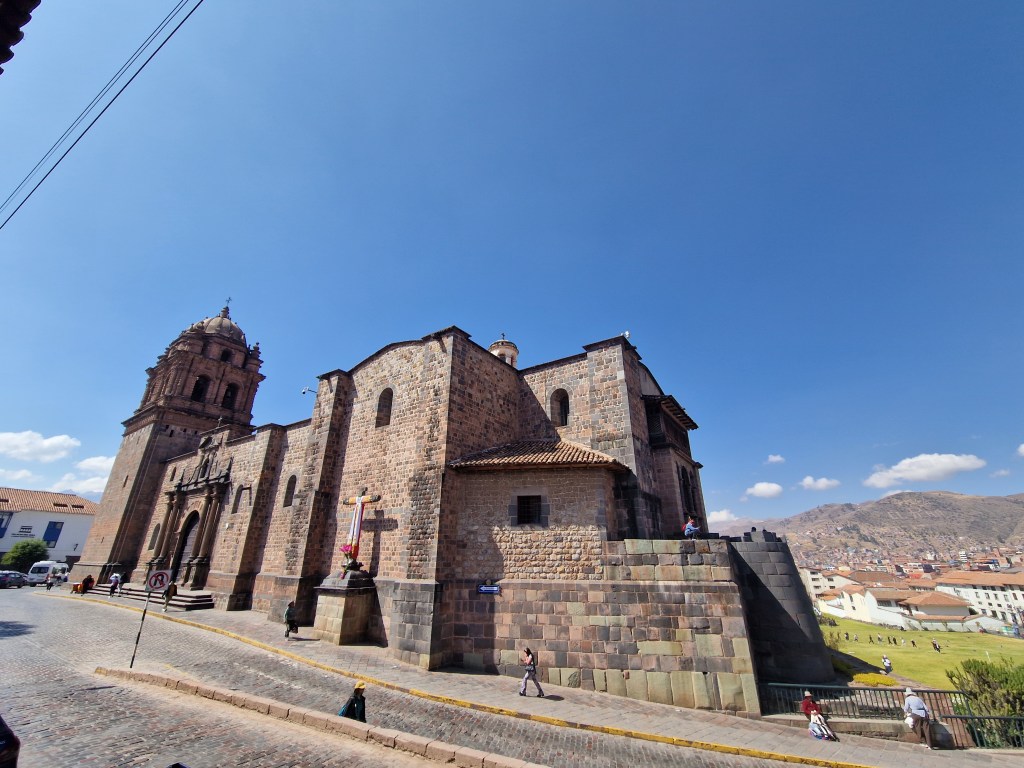
- Coricancha – the religious centre of the Inca Empire, converted into a church
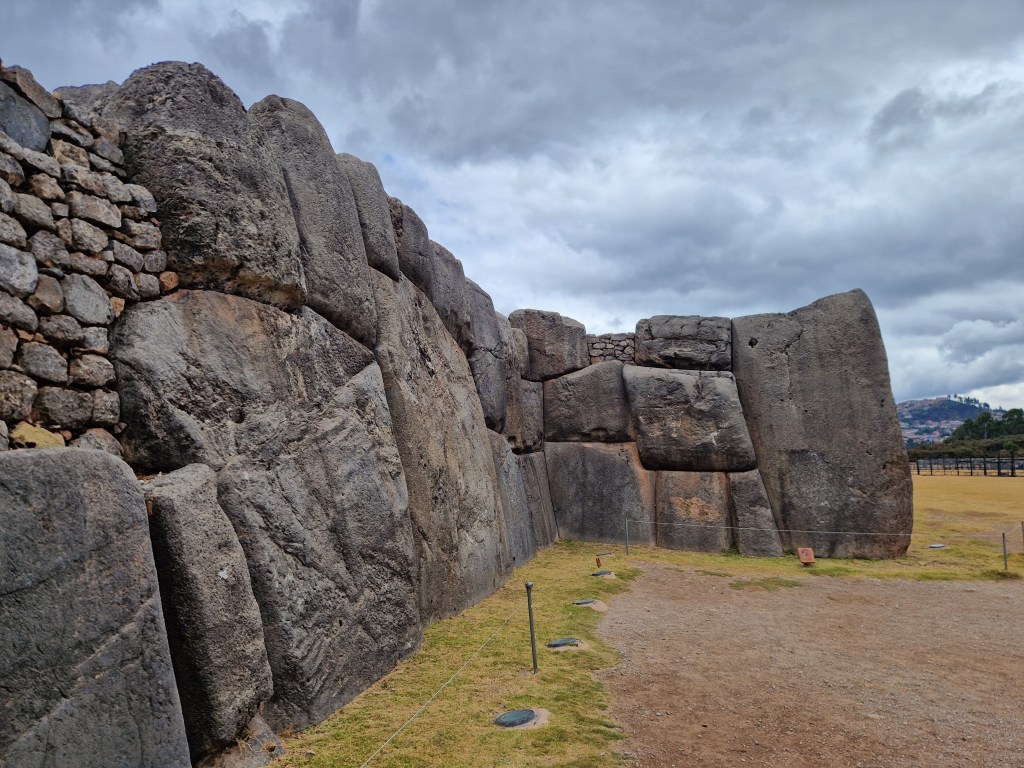
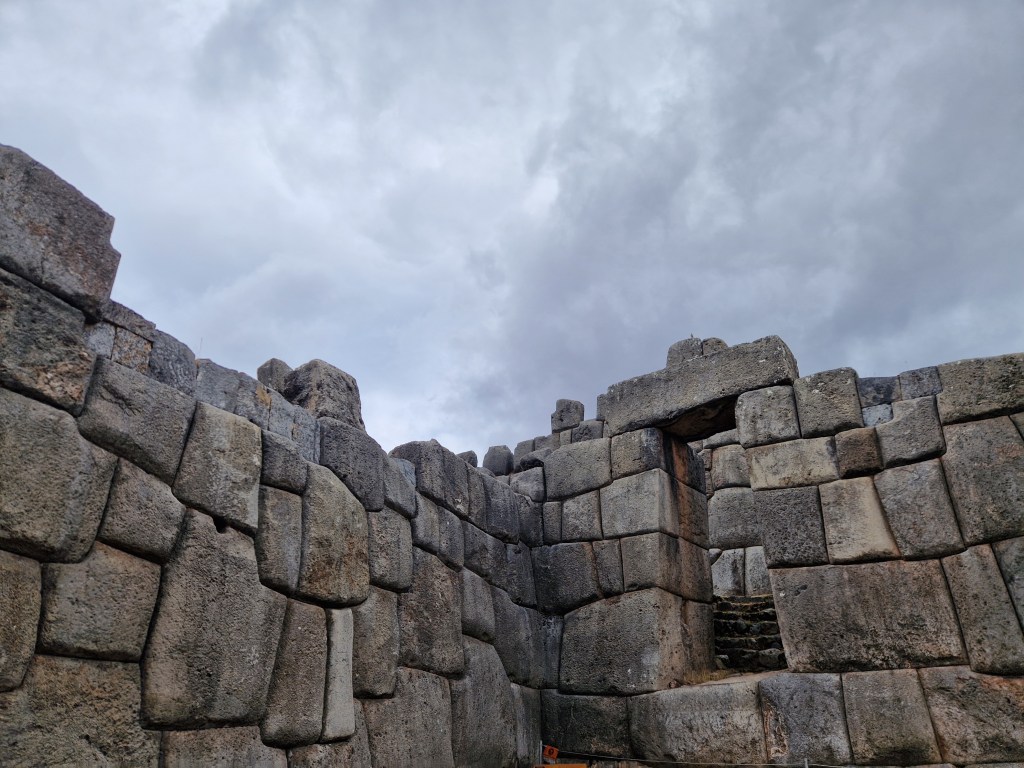
- Saqsaywaman – monumental Inca fortress above the city
- The Sacred Valley – endless Inca sites not far from the city
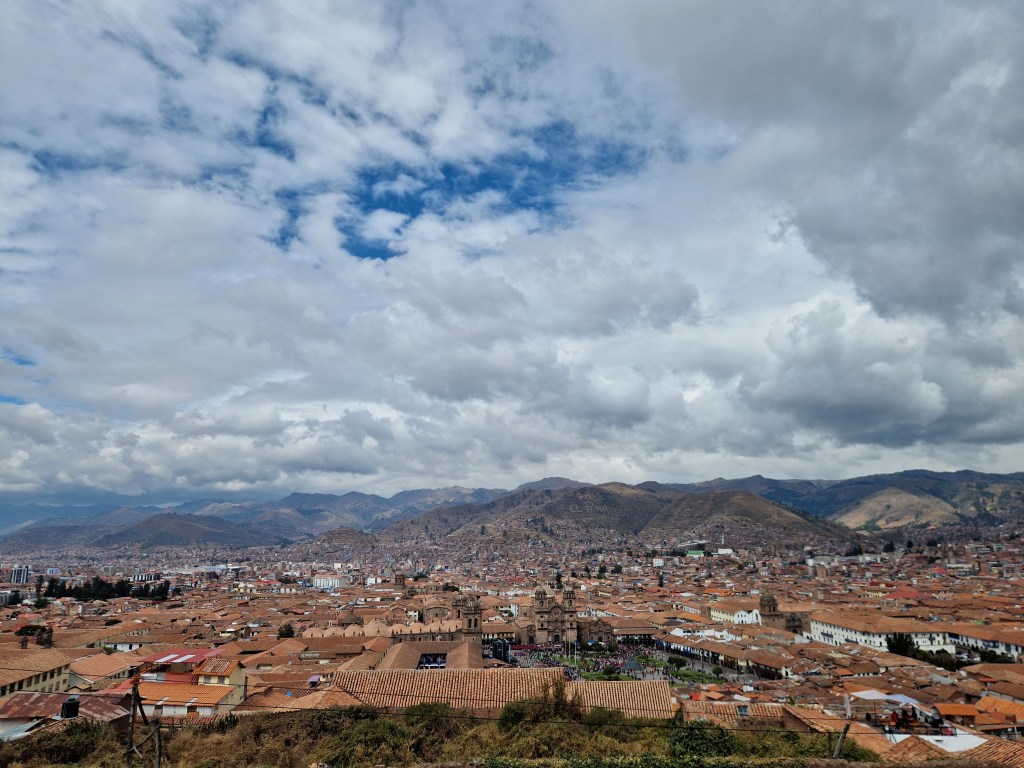
- Plaza de Armas – the colonial central square including Cusco cathedral
- Mercado Central de San Pedro – the main market for souvenirs and food
Getting Around
Cusco does have a bus network of sorts. These come in the form of colectivos (privately run minibuses) which can be flagged down at any point on their route. The routes are confusing and being able to speak some Spanish to talk with the driver would be extremely useful. However, these and the very few formal buses there are in the city are chaotic at best. Instead, consider walking.
If you need to travel a longer distance, Uber does operate in the city though there are reports that drivers will happily drive you downhill into town and then be reluctant to do the return trip uphill. If you are trying to get to or from Cusco airport, this is your best bet besides organising a private transfer with your accomodation.
Accommodation
Cusco is full of decent hostels, more often than not located between the Plaza de Armas and Saqsaywaman. For those looking to party, look no further than the vast Wild Rover, which hosts events every night at its own bar. Many other more peaceful options are also available such as this one. In general, expect to pay around £10 a night.
There are also loads of hotels around the city centre and then up towards Saqsaywaman. These range from little more than a hostel dorm bed right up to over £500 per night for the city centre Belmond. The Hilton over the road from the Wild Rover is more like £150 per night.
Money
The currency in Peru is the sol. By and large, the economy works on cash rather than by using cards so expect to pay in cash in all but the poshest Cusco hotels.
You’re best off getting your soles in Peru itself at an ATM. Banco de la Nación will allow you to withdraw commission free. Otherwise, expect to pay to get money out.
It is also a good idea to bring some US dollars with you. Petty crime is a real threat in Peru, so hiding small amounts of dollars in different locations around your backpack (and wearing a discreet money belt under your clothes) is worthwhile as a form of insurance.
Other Points
Altitude should be top of your mind when visiting Cusco. The city lies at a dizzying 3,399m above sea level – as high as many Alpine peaks. Some people will be fine, others won’t when it comes to altitude sickness and there is very little that can be done about it. Fitness isn’t a factor and the only way to guarantee you’ll be fine is to climb up to the city slowly, stopping at lower altitude towns on the way. More information on altitude sickness (including medication) can be found on the NHS website.
A visit to Machu Picchu is really worthy of a standalone guide. However, the basics are that the Inca Trail (the best known way to the site) is a four day hike that, though utterly exceptional, is expensive as you must have a guide. Look at Alpaca Expeditions for a decent value tour. There are also other ways, not least by train from Ollantaytambo to Aguas Calientes. However you do it, expect to pay a premium as prices by Peruvian standards are extortionate.
Many people spend a very long day out from Cusco to visit Rainbow Mountain. This bizarrely striped mountain is totally natural and something that cannot be seen in many other places worldwide. Even so, there are drawbacks, the first of which is its altitude at over 5000m – if you’re struggling with Cusco at 3000m, don’t go any higher. Secondly, its a 3 hour trip one way. If standing in a large crowd looking at a stripey hill is your thing then go for it. Personally, I question whether its worth the trip.
Cusco’s food is very different to a lot of other areas in Peru. Sure, you’ll get the staples such as lomo saltado (beef in soy with tomato, red onion and potatoes) but things like ceviche don’t travel this far into the mountains. Instead, for the braver tourists and locals, delicacies such as cuy become available. If you want to try cuy, head to Quinta Eulalia for a good one. What will you actually be eating when you order cuy? Well, that’ll be a guinea pig.
If you want to get a real taste of Inca culture, consider visiting during Inti Raymi, an Incan festival held every year on the 24th June. Marking the start of the Inca New Year, a parade winds its way from Coricancha up to Saqsaywaman via Plaza de Armas. At the end of the parade, a llama is sacrificed to Inti, the sun god. This can be viewed live from a temporary grandstand in Saqsaywaman, with tickets available here.

 Into The Elsewhere