
One of the world’s most recognisable and iconic historical sites (not to mention a Wonder of the World), Machu Picchu firmly deserves a place on a list of places which everyone should vist at least once in their lifetime. However, getting there can be less than straightforward with the site’s inaccessible location in the hills above Peru’s second city, Cusco. This guide is here to demystify some of that confusion and hopefully allow you to make the most of your time visiting this stunning hilltop city.
Please note that these are all my personal recommendations and are not sponsored in any way.
Getting To Cusco
To get to Machu Picchu, you’ll first need to get to Cusco. This is the second largest city in Peru yet, due to its altitude, doesn’t have a huge number of international connections. However, there are regular connections to Lima and Santiago with LATAM and Bogota with Avianca, all of which provide better connections further afield. Be aware that if you then choose to fly through the USA and are not a citizen, you will likely need at least an ESTA to do so.
Cusco is also accessible by bus by bus. Before you do this though, take a look at the journey times as they can be extremely long depending on destination (Lima is 24 hours away for example). Tickets can be booked through redBus and most buses depart from the central bus station, though there are some exceptions.
In terms of the buses you take, some more reputable companies include Transzela or Cruz del Sur. Peru Hop are another company set up specifically to bus tourists around the country and offer hop-on-hop-off multi-day tickets.
At the time of writing, UK nationals can visit Peru for up to 90 days within a 180 day period. More information can be found on the FCDO website. The same applies for US citizens, with more advice available here.
Getting to Machu Picchu from Cusco
The main routes from Cusco to Machu Picchu are:
- The Inca Trail – one of the world’s most iconic (and expensive) treks
- The Salkantay Trail – a second route, passing a glacier, to Machu Picchu
- Via Aguas Calientes – on the train from Ollantaytambo
Both the Inca and Salkantay Trails are four day hikes at altitude. These are by no means easy, though they can be made more comfortable by hiring porters or, on Salkantay specifically, mules to carry your bags. If you’re not capable of the hike, the train is your only remaining option.
You must have a guide by law on the Inca Trail. This is the only way to get a permit from the local authorities and means you need to book in advance (essential as the permits sell out) through a tour company, which will then sort all the logistics, tents and food you need for four days. This is expensive regardless of the company you choose and, if you do find a cheap deal, be aware that the savings are probably being made by not paying the staff nearly enough. A good tour company (both in terms of ethics and price) is Alpaca Expeditions. On the Inca Trail, you will also be camping all four nights.
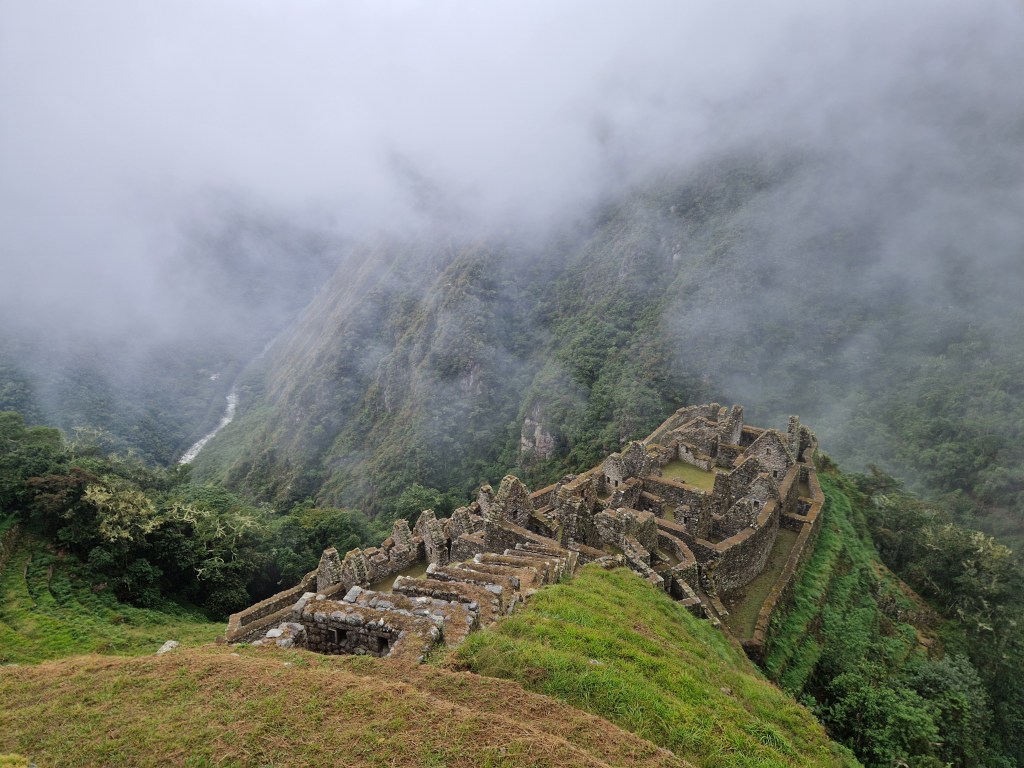
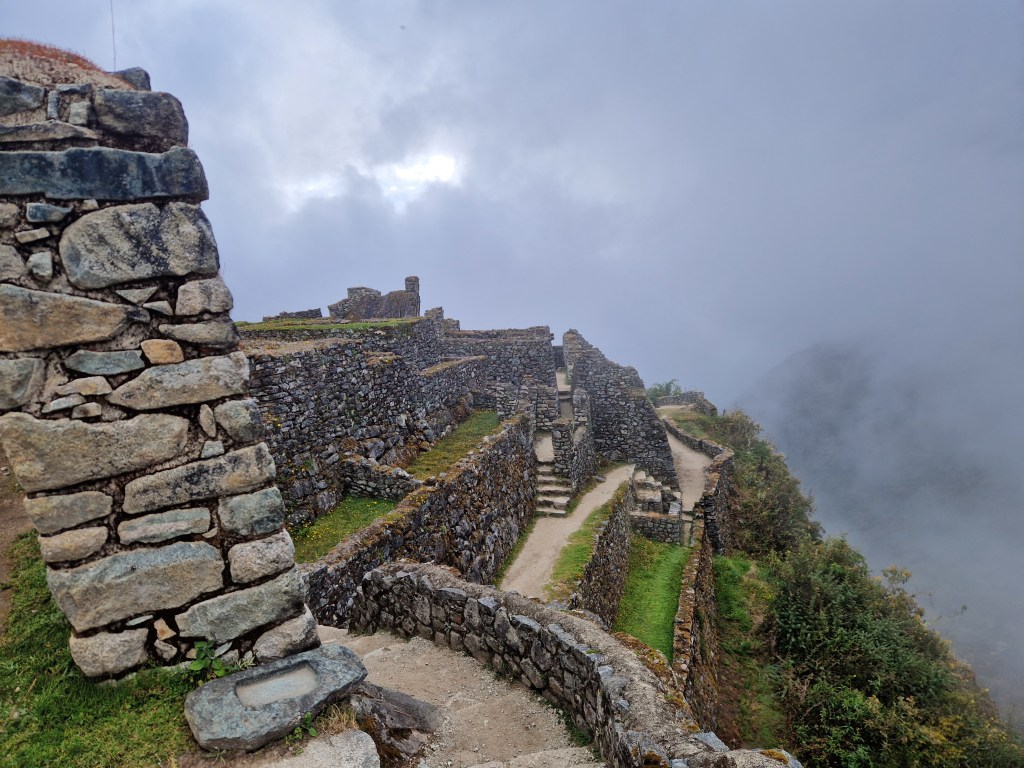
The Inca Trail is worth the investment. On your way, you’ll be walking the same route as the Incans would have walked hundreds of years ago. This means that you’ll pass many, much quieter Inca sites while you walk, which you’ll be free to explore.
The Salkantay Trail is slightly different. There is no permit system and no need for a guide. You can also stay at guesthouses along the way. However, you won’t get nearly the number of stunning Inca sites just off the path as you walk along, with the only real attraction being the Salkantay Glacier. It is, however, appreciably cheaper and can be completed spontaneously. To get to the trailhead, you’ll need to get a bus or taxi to Mollepata or Challacancha. A full GPX of the route can be found on Komoot.
A final key differentiator between the Inca and Salkantay Trails is that the Inca Trail finishes in Machu Picchu itself, whereas the Salkantay Trail ends at Aguas Calientes, the tourist town built down the mountain. This means that, unless you want one final long and steep hike, you’ll need to buy an expensive bus ticket up the hill once you’ve completed Salkantay.
Then there is the train option for those not wanting to hike. Two companies operate trains along the narrow gauge railway from Ollantaytambo to Aguas Calientes: Peru Rail and Inca Rail. Even if you’re hiking there, this is most likely your way out (a one-way ticket will often be included as part of a hiking tour package).
If you’re getting the train both ways, you’ll first need to get a bus from Cusco to Ollantaytambo and then jump on your train. From there, you’ll need to buy another ticket to get the same bus as at the end of the Salkantay Trail. None of this is cheap – the train tickets alone will cost around $150 in the cheapest class. Be aware that some trains will go all the way from Cusco to Aguas Calientes, though the bus is quicker and significantly cheaper.
It should be noted that some people choose to walk along the train tracks between Ollantaytambo and Aguas Calientes. It goes without saying that this is neither safe or recommended. Unfortunately there is no road or alternative path between the two – the train is your only option.
Inside Machu Picchu
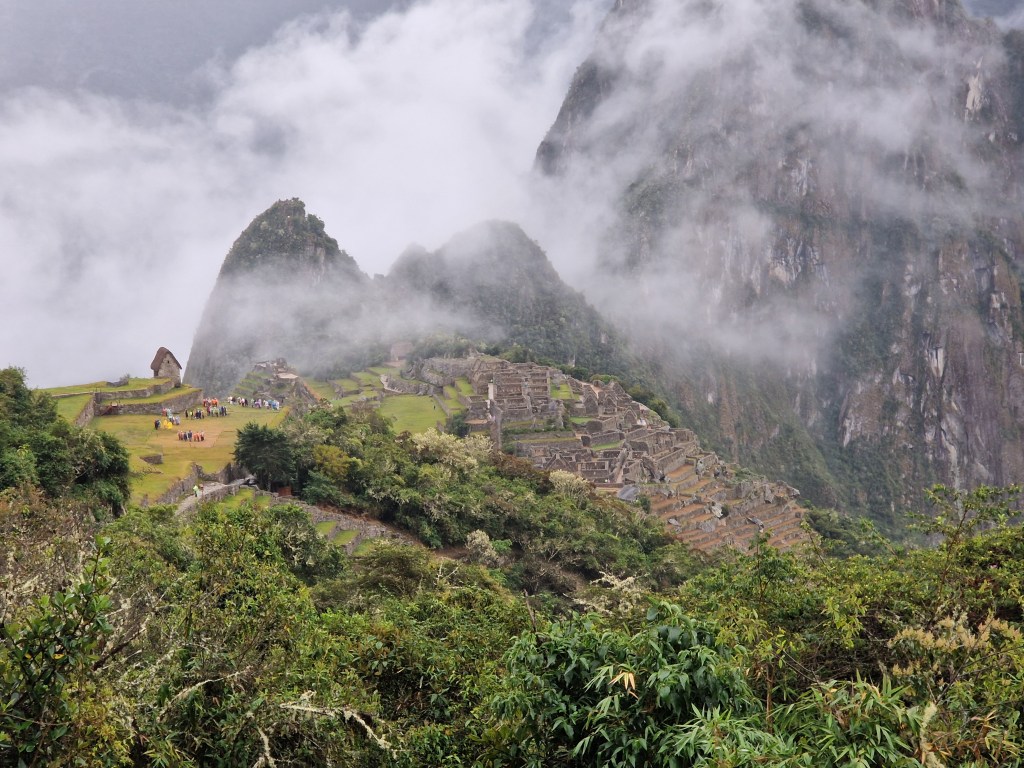
Tickets for Machu Picchu can be bought through the official portal here. Bear in mind that if you’re on an organised tour, its usually the case that these come included. If they aren’t included, then just know that tickets can sell out on given days and the portal has a reputation for unreliability.
You’ll then have to choose your circuit around the site. There are three to choose from (plus variants between them), each forming a one-way route around the site from which deviation is forbidden. The ticket portal linked above offers a full explanation of the merits of each circuit, whether its panoramic views, getting inside the remains of the buildings or following Incan royalty. The best circuit for a mix of everything is Route 2-A, the Classic Designed Route.
You may also be offered the chance to climb Waynapicchu, a mountain overlooking the city on the opposite side to the entrance gate. If you feel like you’ll have the energy after four days of hiking to do one more peak then this may be appealing. Most people give it a miss though.
Accommodation
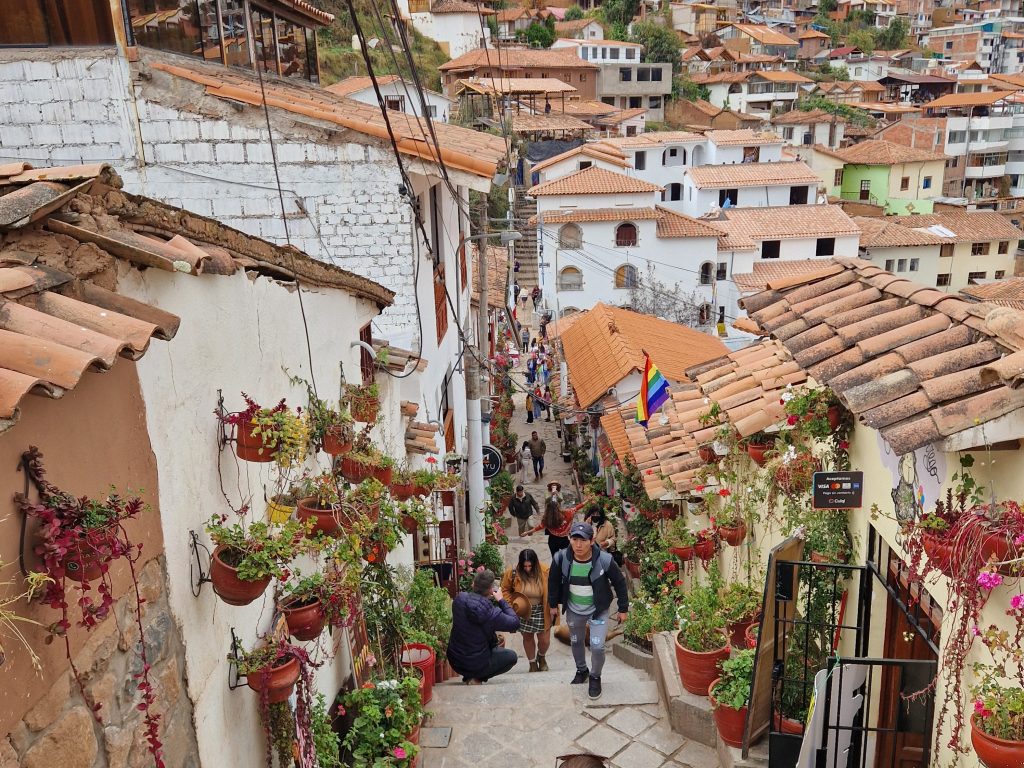
Take a look at the Into The Elsewhere Cusco City Guide for places to stay while you acclimatise to the altitude and bed yourself into Peruvian culture.
As mentioned, if you’re on the Inca Trail you will be camping courtesy of your tour operator each night. Do not expect many creature comforts, including warm showers (or showers at all). If camping isn’t your thing, the Salkantay Trail may be better as there are places to stay in towns along the way such as Colcapampa. An example is here – expect to pay anything up to £30 a night and for things to be basic.
For those wanting to stay in or near Machu Picchu itself, things get really expensive. The only hotel at the site itself is the Sanctuary Lodge which will set you back over £1,500 per night. It does look like a lovely hotel but you may be better staying down the hill in Aguas Calientes, where prices are a touch more reasonable, with basic rooms going for about £30 per night. That said, most people beat a hasty retreat to Cusco as quickly as possible – Aguas Calientes is hardly the most beautiful or authentic place to stay.
Money
The currency in Peru is the sol. By and large, the economy works on cash rather than by using cards so expect to pay in cash in all but the poshest Cusco hotels.
You’re best off getting your soles in Peru itself at an ATM. Banco de la Nación will allow you to withdraw commission free. Otherwise, expect to pay to get money out. Bear in mind that there are no ATMs on either the Inca or Salkantay Trails. Aguas Calientes does have some but they are unreliable – the best plan is to get your cash in Cusco.
It is also a good idea to bring some US dollars with you, especially as many tour providers prefer dollar cash payments. Petty crime is a real threat in Peru, so hiding small amounts of dollars in different locations around your backpack (and wearing a discreet money belt under your clothes) is worthwhile as a form of insurance.
Other Points
Altitude should be top of your mind when doing any hike to Machu Picchu. Though the site itself is “only” at 2,430m above sea level, the Inca Trail climbs to 4,215m and Salkantay reaches a dizzying 4,630m. Some people will be fine, others won’t when it comes to altitude sickness and there is very little that can be done about it. Fitness isn’t a factor, apart from when climbing the high passes, and the only way to guarantee you’ll be fine is to stay in Cusco a while to acclimatise before hiking. More information on altitude sickness (including medication) can be found on the NHS website.
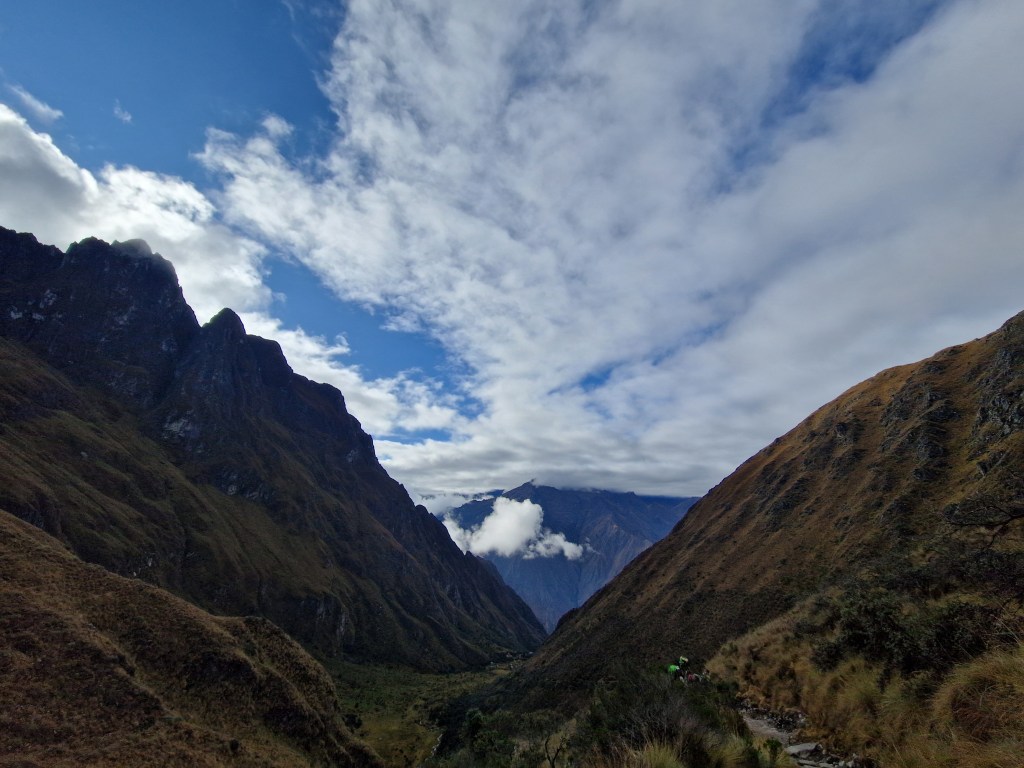
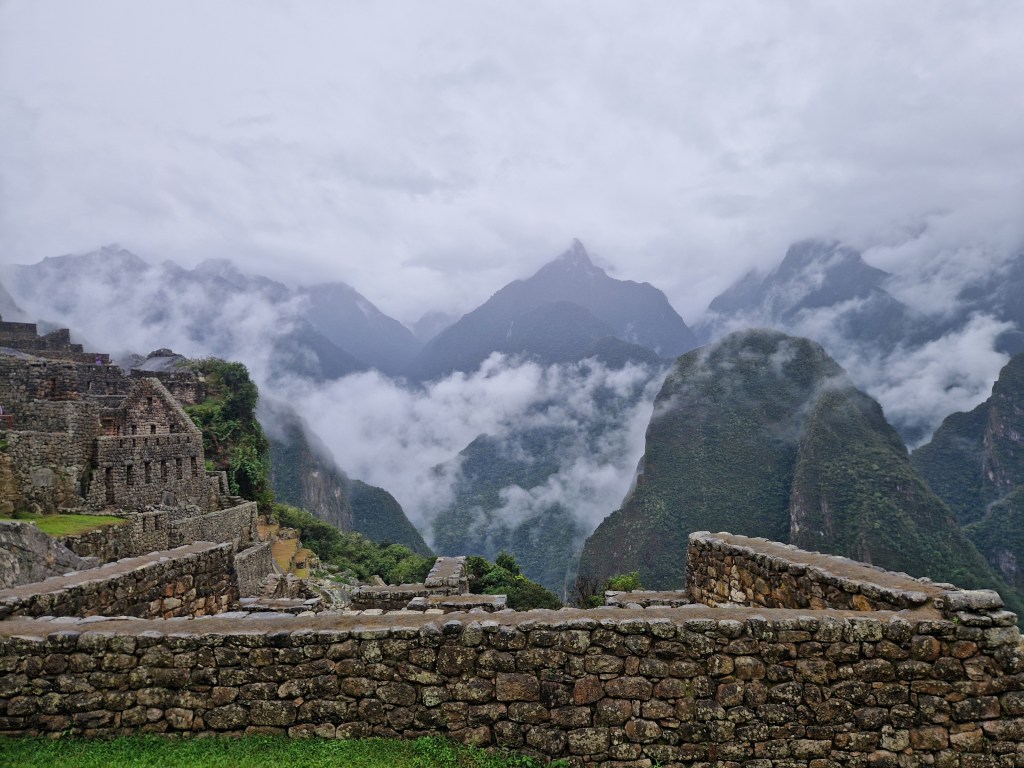
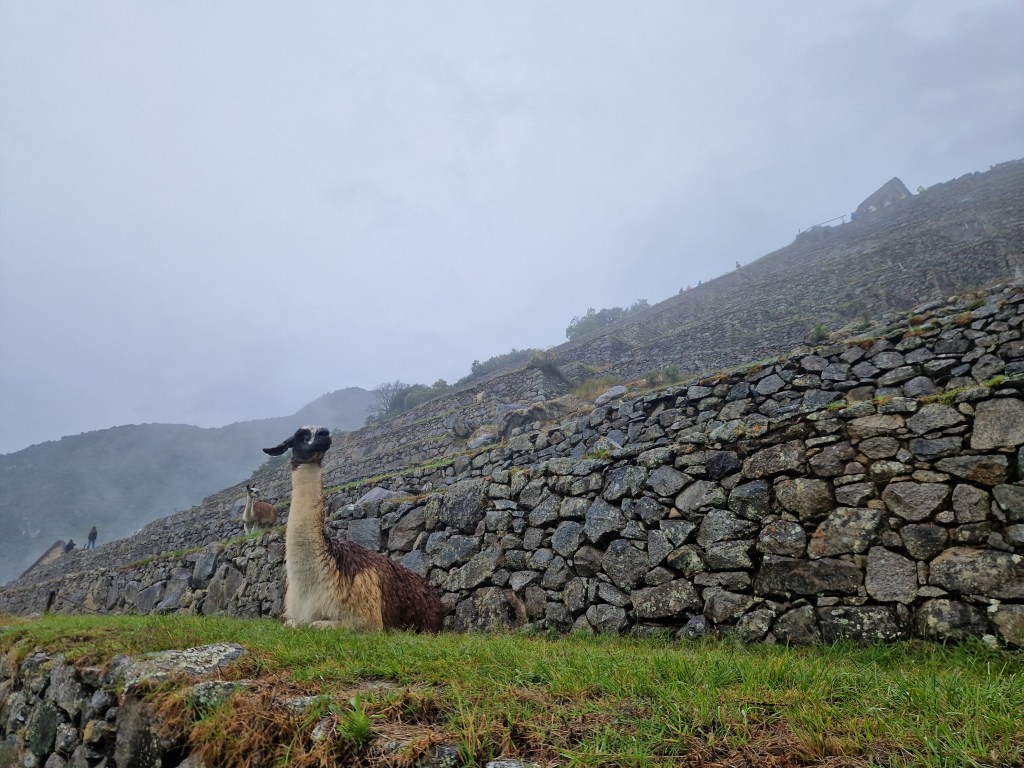
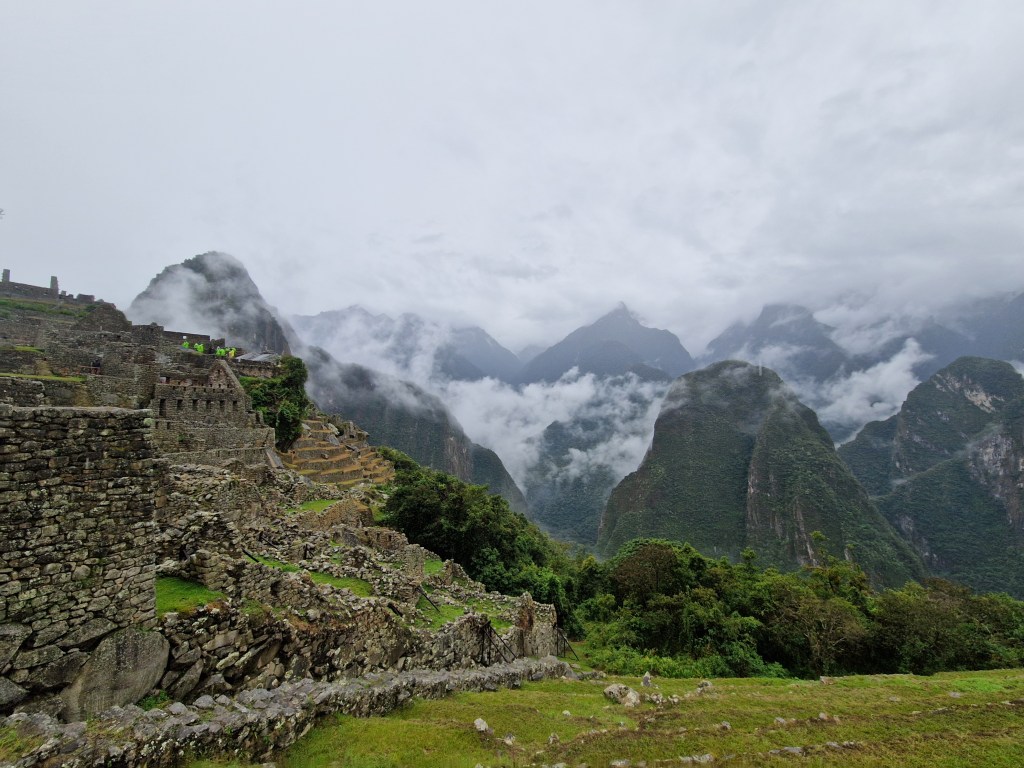
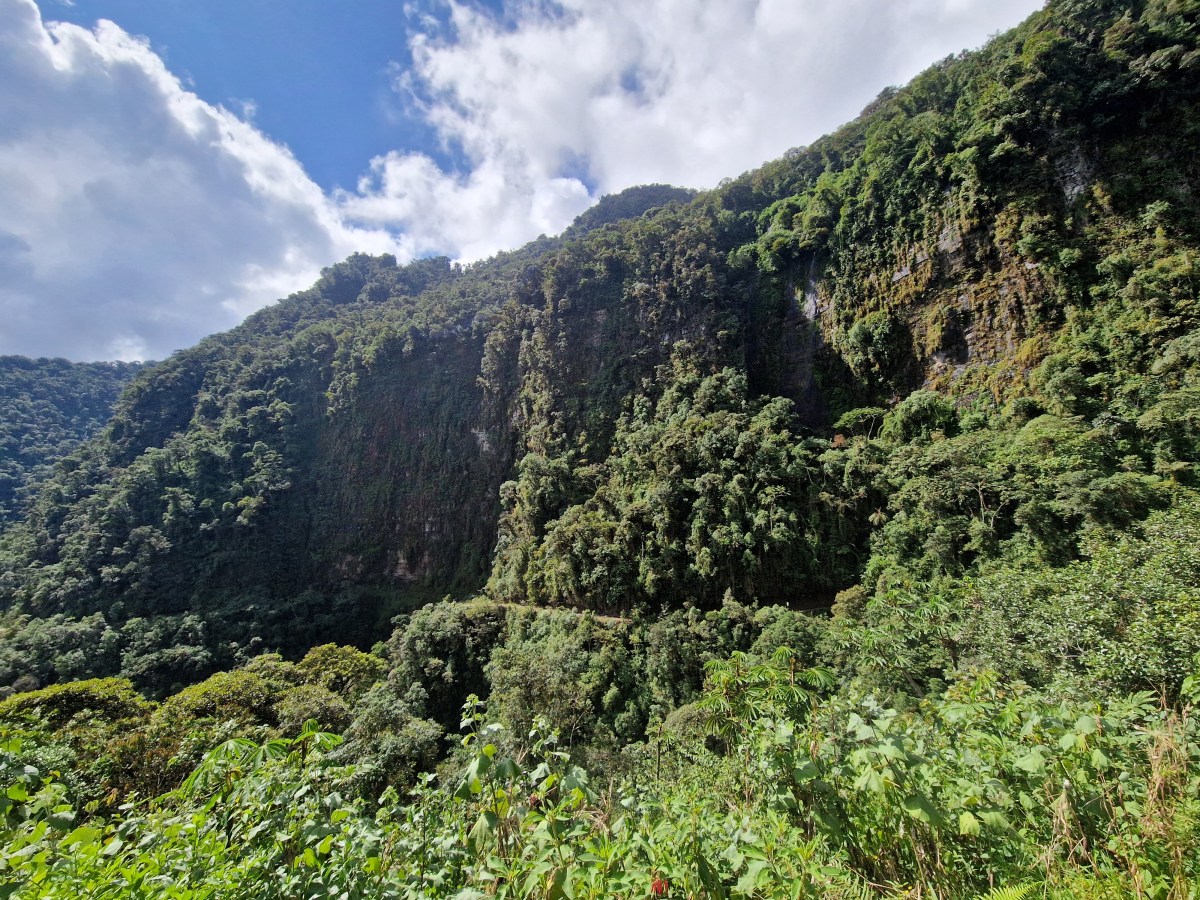
As will be fairly obvious from some of the photos on this guide, the weather in the area can be changeable, even in the dry season. Expect anything from intense heat to pouring rain and freezing temperatures and pack your bag accordingly. If you’re on a tour, the company will usually give you a packing list which you’ll have to follow.
A much less touristy alternative to Machu Picchu and the Inca Trail is the Choquequirao Trek, finishing at the Incan city of the same name. You will need a guide to complete it but there are massive advantages to the reduced crowds at the site. It is also far less commercialised than the operation at Machu Picchu which has been set up purely for tourists and with prices to match.

 Into The Elsewhere