The smallest and poorest of the Central Asian Republics, this country is (despite its size and lack of prosperity) somewhere still worth a stop for someone who values travel at its rawest, most bizarre and often most brutal form. It is a country like no other, sometimes for the wrong reasons but more often for the right ones too.
Please note that these are all my personal recommendations and are not sponsored in any way.
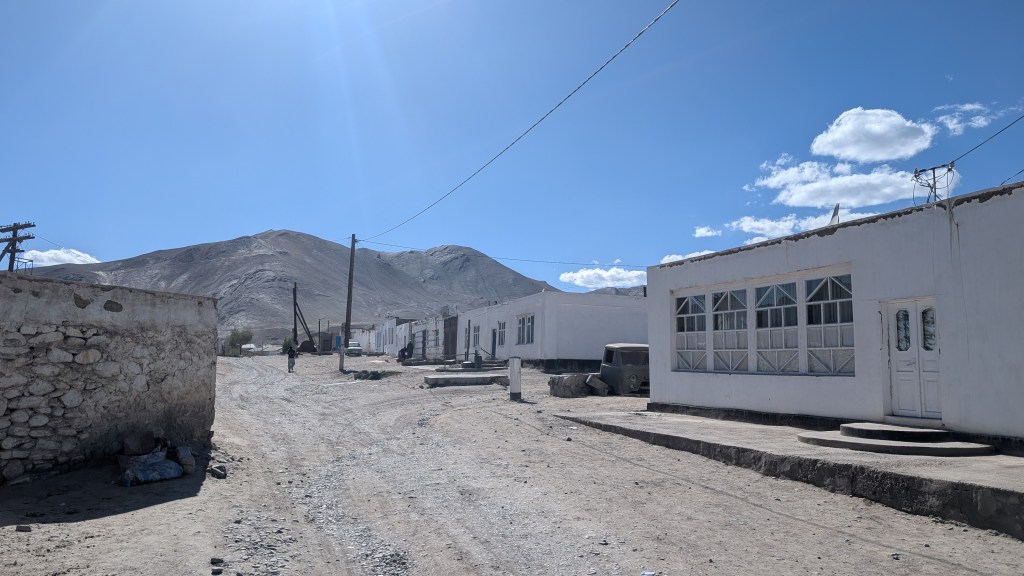
Getting There
The only airport worth speaking about in Tajikistan is in the capital, Dushanbe. This is where some (but not that many) international airlines fly into – your main options are Turkish Airlines (from Istanbul), flydubai (from Dubai) or Uzbekistan Airways (from nearby Tashkent). The only Tajik airline worth speaking about is Somon Air, who do have a useful connection to Munich. Otherwise, you’ll likely be flying via Russia.
Because of how few flights there are, many get to Tajikistan overland instead. The easiest border is that with Uzbekistan which, although it can be tense at times, is open at the time of writing. In fact, it is possible to get a direct train from Tashkent to Dushanbe once a week, though booking online isn’t possible and must be done in either Uzbekistan or Tajikistan. There is also the border with Kyrgyzstan – see the section on the Pamir Highway for that.
The visa situation is also far from straightforward. UK nationals need a visa to visit for any duration, which can be applied for here. Note that you can only do this up to 60 days prior to arrival and that rejections aren’t uncommon.
US and EU nationals are luckier and can visit for up to 30 days without a visa. That said, if you want to get to the Pamir Highway, you will still need a GBAO Permit – again see below for more information.
Major Destinations
Major tourist destinations within Tajikistan include:
- The Pamir Highway – unlike anything on the planet, well worth the hassle
- The Fann Mountains – a hiker’s paradise and largely untouched by tourism
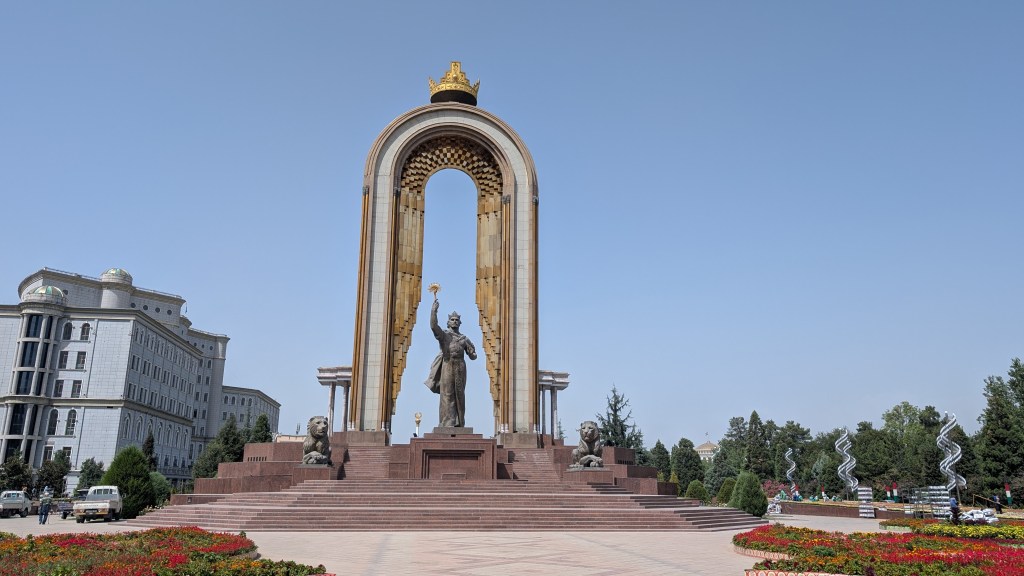
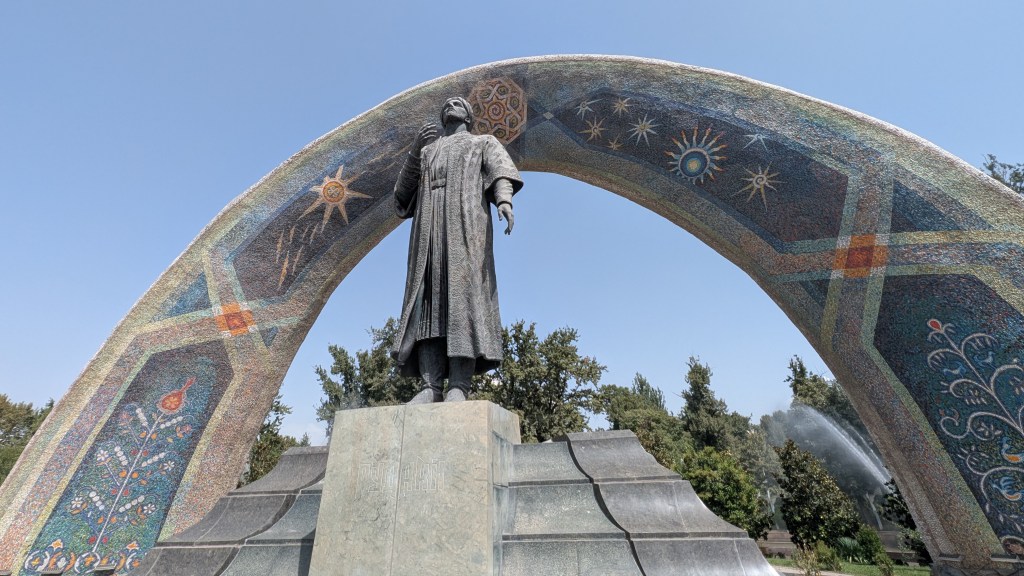
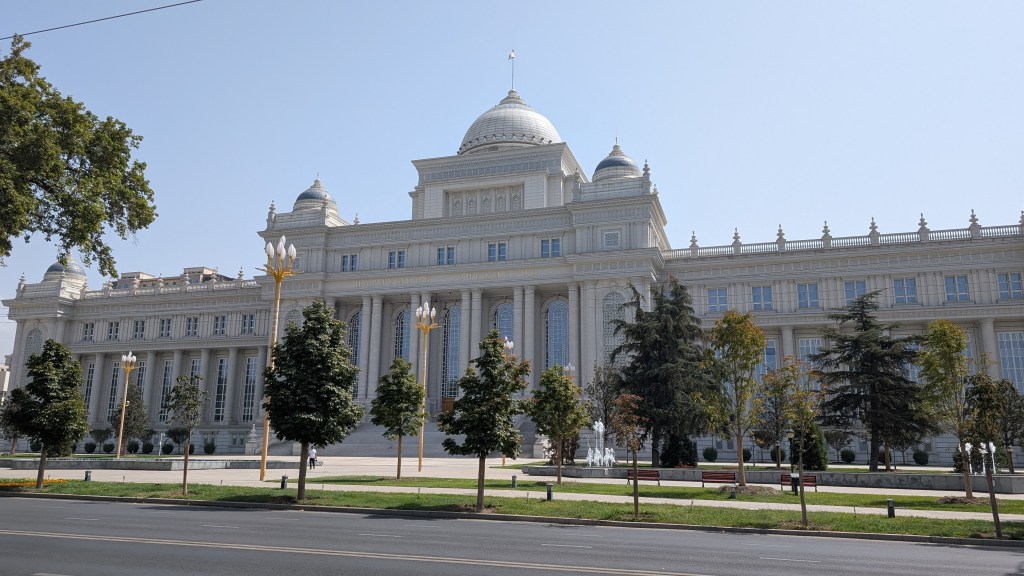
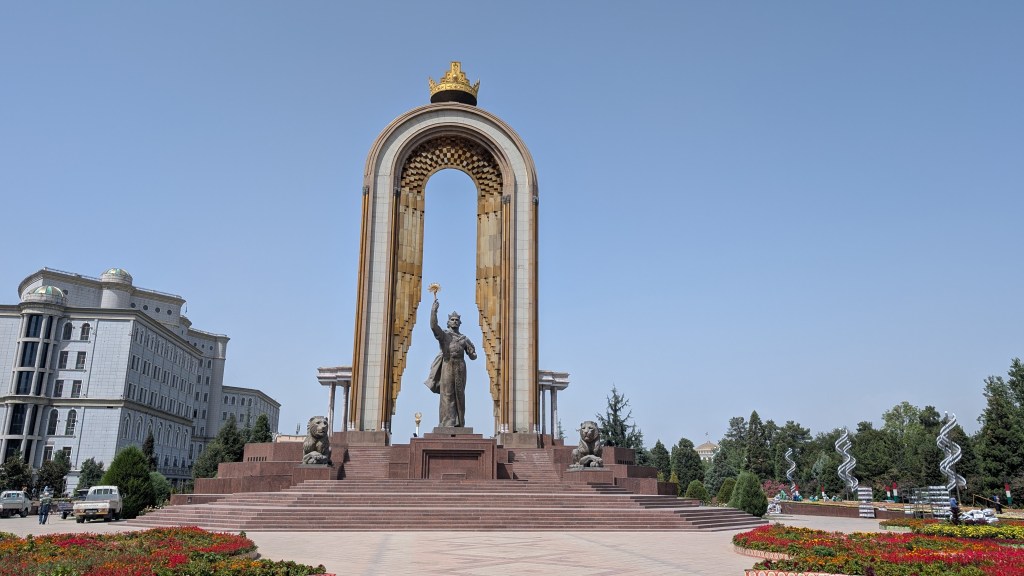
- Dushanbe – more a convenient airport than tourist destination, still interesting
- Panjakent – the jumping off point for the Fann Mountains and Seven Lakes
Getting Around
If you thought getting to Tajikistan was tricky, you haven’t seen anything yet. Forget anything around advance or online booking, organisation, schedules and comfort. This is a rugged country and far from Western creature comforts, though it does reward those who can survive it.
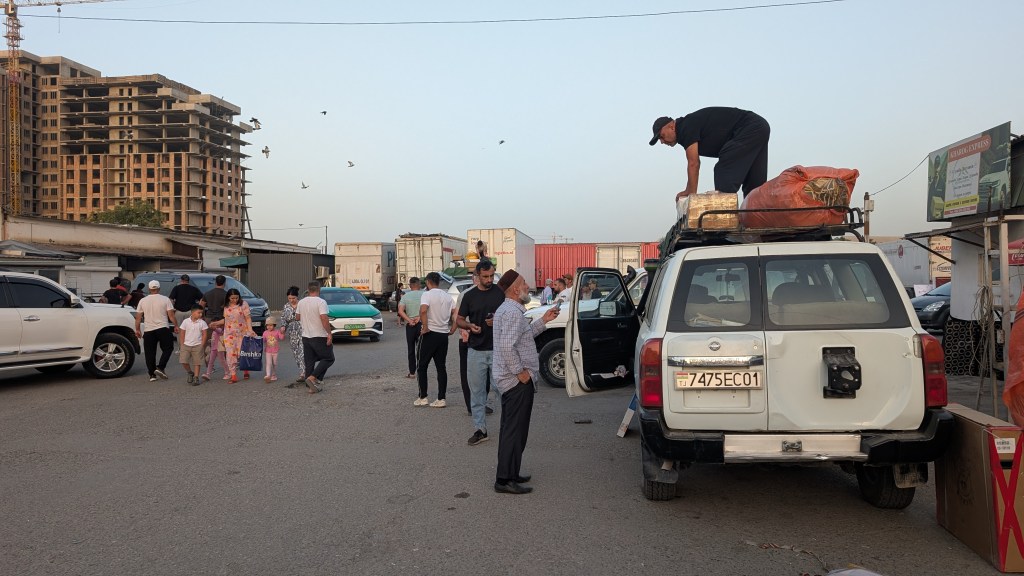
You will be getting round Tajikistan almost exclusively by shared taxi or minibus (which are called marshrutkas). These only depart when full and so make sure to get to the departure point early in the day and, if possible, avoid travelling during Sundays (the vehicles won’t fill) or at night (the roads are terrible and driving standards poor).
Rather than listing out the places where routes depart from, you’re better off asking your hostel or hotel reception as they’ll have the latest information.
The one exception to the rule is in Dushanbe, which has been flooded with cheap, Chinese electric cars. These are metered and extremely cheap taxis which can be flagged down safely from the side of the road (and are around at all hours as there are thousands of them). Either that or download the Jura ride-hailing app.
Flying internally is possible but less than advisable. For example, Tajik Air flies an old Soviet Antonov between Dushanbe and Khorog. During the days of the USSR, this was the only route considered dangerous enough by Aeroflot for the pilots to be paid danger money. Neither the plane nor the conditions have changed since.
Accommodation
There are a few decent hostels in Tajikistan. Of particular note are Green House Hostel in Dushanbe and The Pamir Lodge in Khorog (which isn’t bookable online). Generally, expect to pay around £10-15 per night, often with two meals included.
Hotels are also possible, especially in larger towns and cities. In Khorog, LAL Hotel is supposed to be decent (and has been removed from online platforms but costs around £20 per night) and Dushanbe has all the standard Western chains. The Hyatt and Hilton will both set you back around £125 a night.
On the Pamir Highway, the quality of accommodation is not what you may expect from a Hilton. Though it is still comfortable enough, it also cannot be booked online.
Money
The currency in Tajikistan is the somoni which is potentially possible to get elsewhere in Central Asia but probably impossible elsewhere. Luckily, there are quite a few ATMs, particularly in large cities, though not all of these accept both Mastercard and Visa so be sure to bring both.
There are some ATMs which won’t charge commission, such as those belonging to ActivBank or Halyk Bank. That said, those which do charge commission often only take a negligible amount.
As soon as you step outside of the cities, the ATMs will disappear. Even those that do exist will often be empty or won’t accept foreign cards. Make sure that, especially when going to places such as the Fann Mountains or the Pamirs, you have enough cash and bring plenty of US dollars in reserve.
Other Points
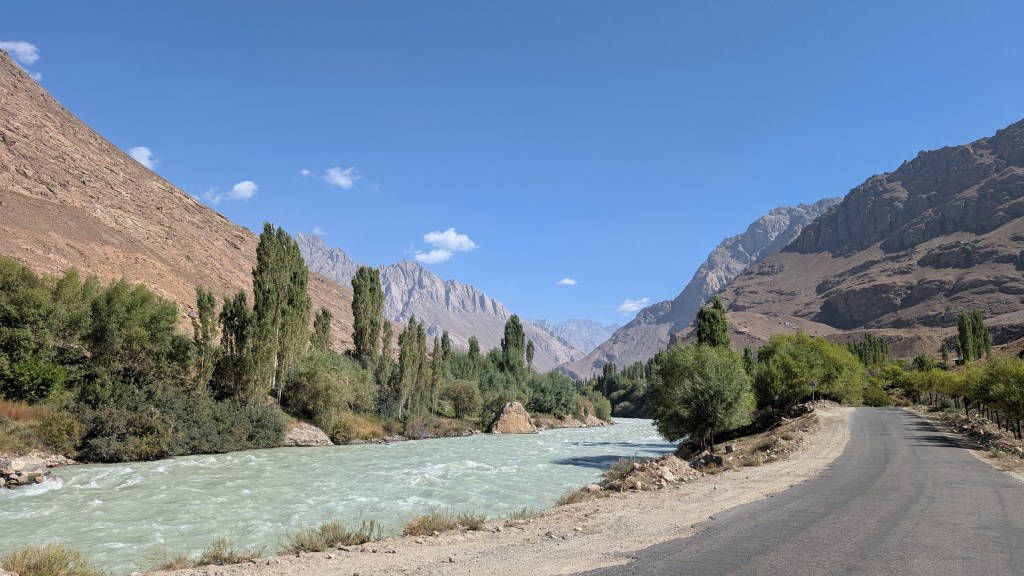
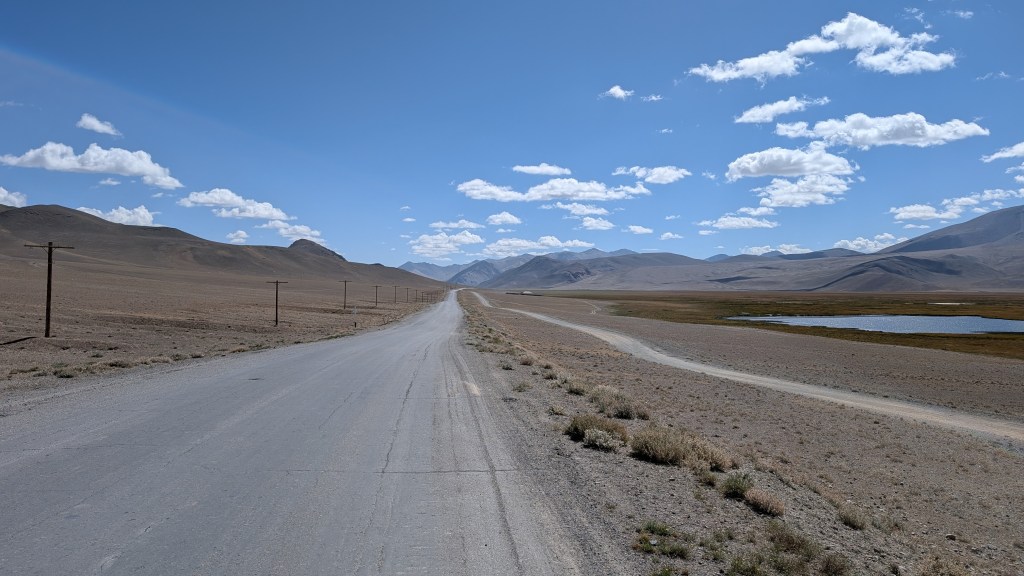
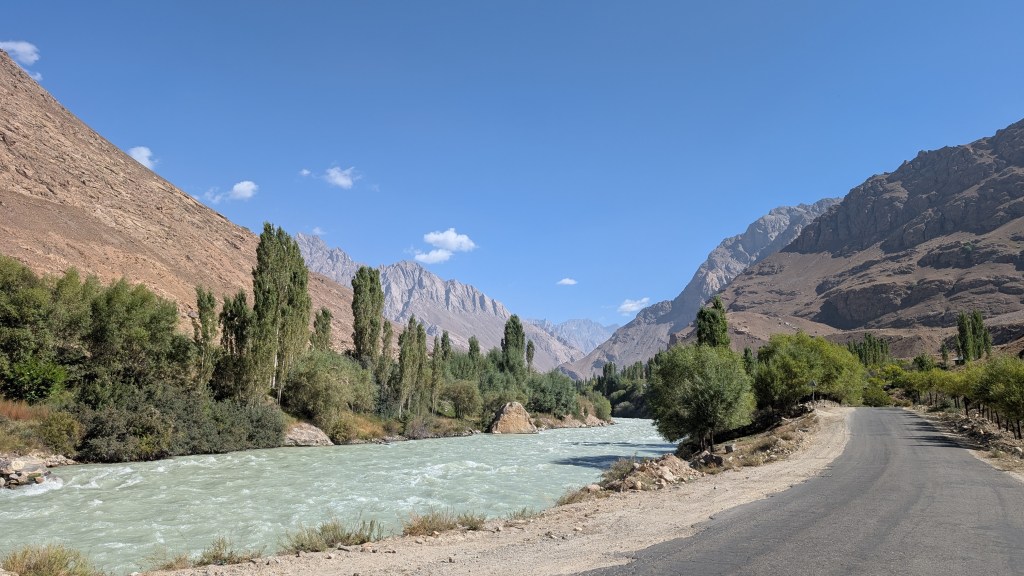
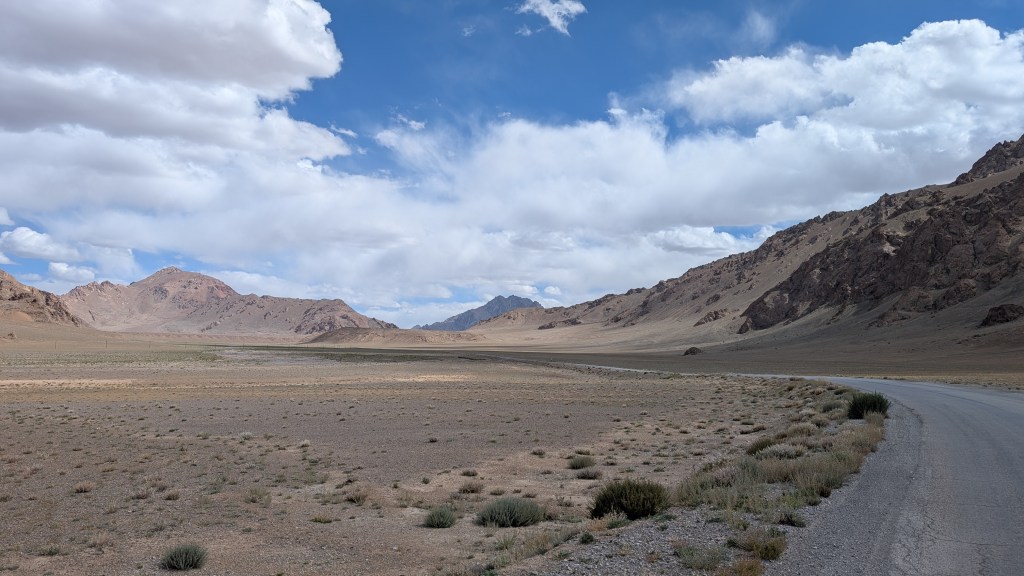
The Pamir Highway deserves its own guide (which will be written in time). That said, this is why most people visit Tajikistan and is well worth the endless hours getting there – it really is unique in its barren beauty. The road technically runs all the way from Dushanbe to Osh in Kyrgyzstan but people start and finish at different points depending on time and bravery. The main ways to do it are by shared jeep, driving your own jeep, motorbike, bicycle or (for those with a lot of time and hopefully some language skills) hitchhiking.
To be able to get into the Gorno-Badakhshan Autonomous Oblast (GBAO), within which the Pamir Highway is almost entirely situated, you will need a permit separate to your visa (or other entry conditions – there are no exceptions for any nationality). You can get this online as part of a visa application, which is advisable even if you don’t need a visa but have little time. Equally, you can apply in person in Dushanbe at the OVIR offices or at a tourism agency offering it elsewhere. This will take a few days or weeks either way, depending it seems on how they feel. If you go into the GBAO, also make sure to bring at least ten photocopies of your passport photo page for the checkpoints.
Tajik food is a little different to its Central Asian neighbours. Yes, you can get the staples such as plov or manty but, in Dushanbe in particular, the thing to have is kulob, a dish comprising of flatbread, mutton and yogurt sauce. It is traditionally served in a wooden bowl and is delicious, with one of the best places to find it here. Otherwise, expect very basic food in the Pamirs as nothing of note grows there, leaving everybody eating thin soups and large amounts of potatoes.
In general, allow plenty of time for your visit to the country. This isn’t somewhere which rewards (or indeed tolerates) doing things quickly, especially when it comes to paperwork or transport. Instead just sit back, chill out and enjoy the show – there really isn’t anywhere like it on Earth.